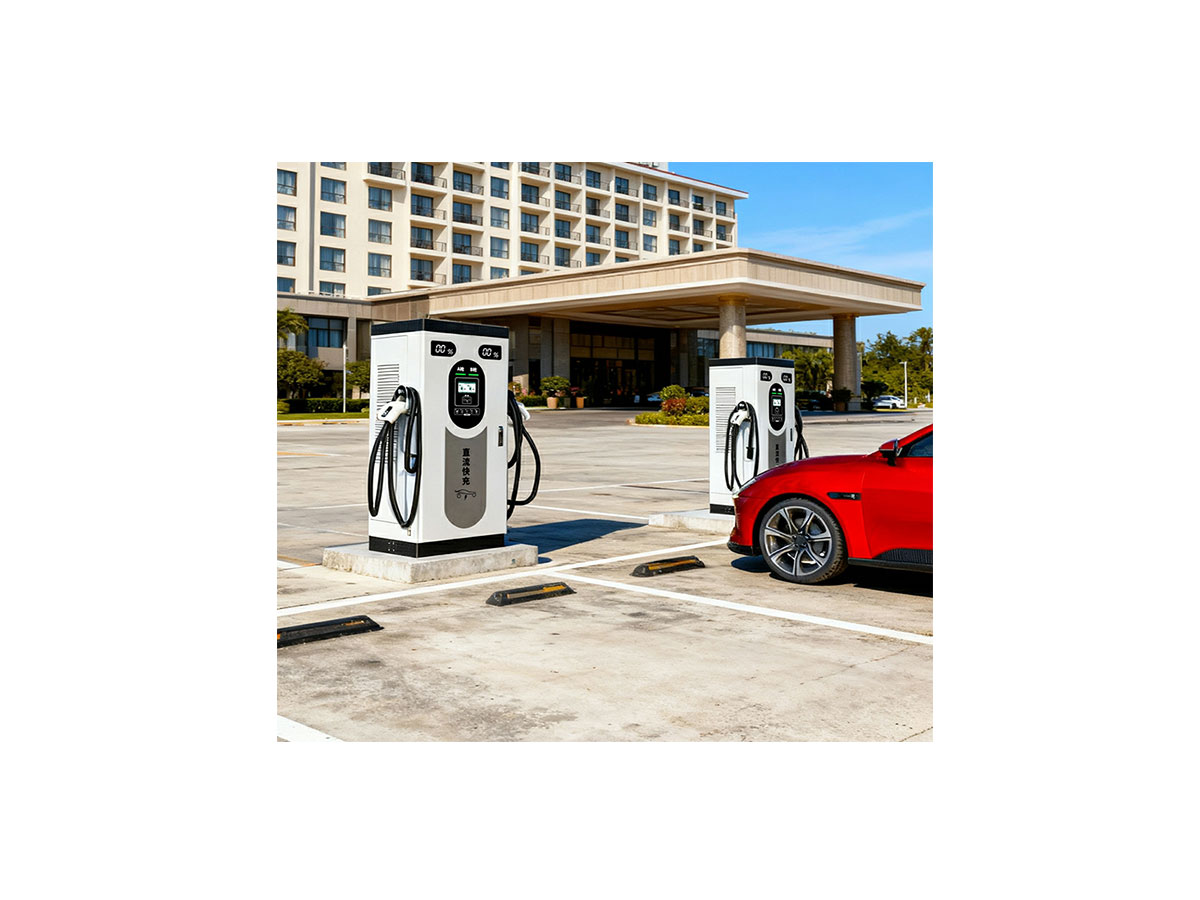

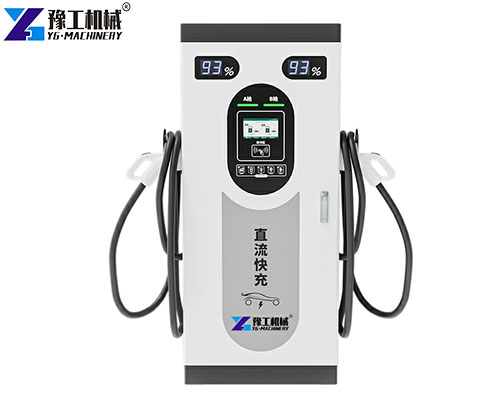
With the increasing popularity of electric vehicles, the ev charging machine, as the bridge connecting the grid and the vehicle, directly impacts the travel experience through its performance and reliability. The market offers a wide variety of products, but the value of an excellent charging device lies not only in its parameter sheet but also in the meticulous design and stringent craftsmanship from the inside out.【WhatsApp/WeChat/Phone】+86 13837122632
The Diverse Classification of Ev Charging Machine
In addition to being categorized by current type into DC and AC, ev charging machine can also be classified in multiple dimensions to adapt to different scenarios:
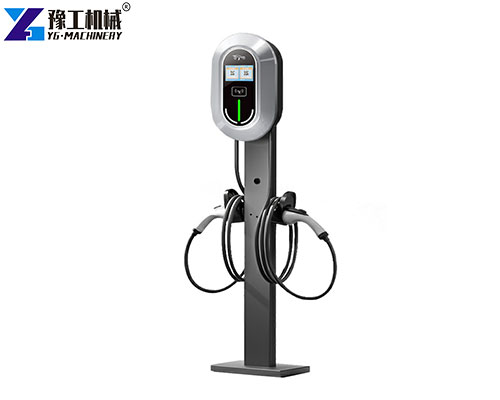
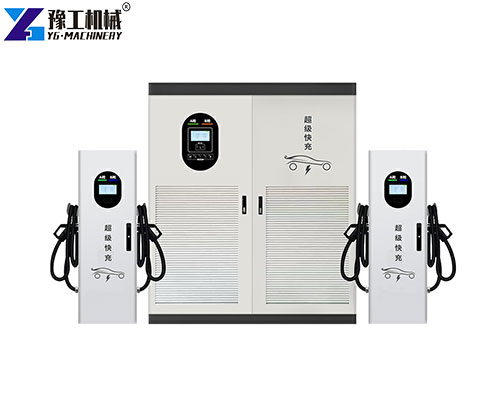
- By installation method: Divided into space-saving wall-mounted types and independently stable pillar-mounted types.
- By target users: Divided into public charging piles for the general public and dedicated charging piles for enterprises and fleets.
- By interface quantity: Divided into “one pile, one charge” and “one pile, multiple charges,” which can simultaneously serve multiple vehicles, improving operational efficiency.
Dc Quick Charger Vs. Ac Charging Pile
Understanding the fundamental differences between DC quick charger and AC charging pile is key to making the right choice.
- Working principle: The dc quick charger acts like an “external fast-charging power source,” directly converting grid AC power into DC power to charge the battery, thus achieving extremely high efficiency. In contrast, the AC charging pile functions more like a “smart socket,” delivering AC power to the vehicle’s onboard charger, where the vehicle itself completes the conversion, with speed limited by the onboard equipment.
- Time efficiency: A complete fast charging session with a dc quick charger typically takes 1-2 hours, perfectly addressing range anxiety. Using an AC charging pile for slow charging is more suitable for overnight or long-term parking, requiring around 8 hours.
- Application positioning: DC fast charging serves as an “energy station” at highway service areas and commercial centers, while AC slow charging acts as a reliable companion for home parking spaces and office parks, offering “plug-and-charge” convenience.
3 Steps to Choose Your Ideal Ev Charging Machine
Selecting a suitable ev charging machine requires comprehensive consideration of the following three points:
- Analyze primary usage: If mainly used for daily commuting, installing an AC pile at home or the office is economical and practical. For frequent long-distance driving or fleet operations, finding a reliable public DC fast-charging network is crucial.
- Verify hardware conditions: Before installation, ensure sufficient power capacity at the parking space, especially since installing high-power DC piles requires 380V industrial power support. Additionally, plan the wiring path and installation location.
- Focus on smart experience: Modern ev charging pile should feature smart connectivity, remote reservation, multiple payment methods, and other functions, significantly enhancing convenience.
Protection Design Principles of Excellent Ev Charging Pile
The safety of charging pile is the cornerstone of design and operation, covering hardware and environment:
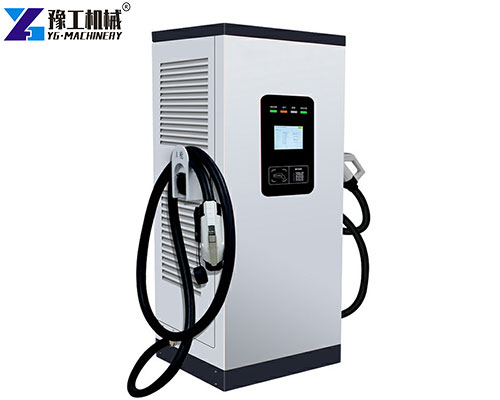
- Inherent device safety: An excellent ev charging pile must incorporate multiple electrical protections such as overvoltage, undervoltage, overcurrent, short circuit, leakage, and insulation monitoring, as well as charging port temperature monitoring and emergency stop functions.
- Installation environment safety: Charging stations must display clear safety warning signs, such as “High Voltage Danger” labels, and ensure unobstructed safety passages. The device itself should achieve IP54 or higher protection levels to withstand wind, rain, and dust.
- Continuous monitoring safety: Real-time monitoring of device status and fault warnings via a cloud platform represent advanced means of proactive safety management.
Choose YG Machinery
When discussing a high-quality ev charger stand, its excellence often lies in the details. YG Machinery’s products embody this philosophy:
- Unseen Protection: Utilizing automotive-grade painting processes, our metal shells undergo rigorous rust removal, galvanization, and baking to maintain a like-new appearance for 8-10 years outdoors. For waterproof sealing, we employ imported foam adhesive—several times more costly than standard options—applied with robotic precision to prevent water ingress from adhesive aging.
- Visible Intelligence: Full-process control via a dedicated app and OTA remote updates ensure the device stays current. Our innovative “software + hardware” dual overload protection, paired with multiple built-in sensors for real-time environmental monitoring, creates a safety system that surpasses industry standards.
- Practical Durability: From high-performance flame-retardant shells and industrial-grade connectors to a 100,000-hour MTBF and strict quality control, every YG ev charger stand is built to deliver stable, long-lasting charging in diverse and demanding environments.
Parameters
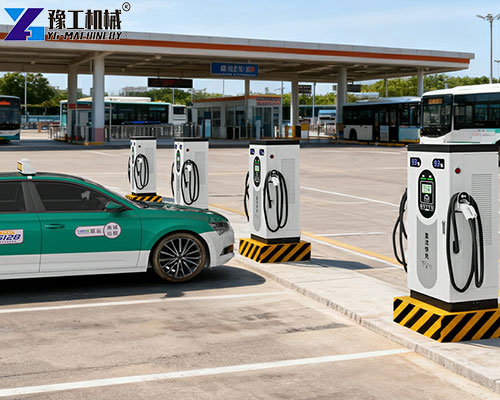
| Product number | YG-60KW | YG-80KW | YG-120KW | |
| Detailed specification | rated power | 60KW | 80KW | 120KW |
| Charging equipment | User Interface | 7-inch LCD color display touchscreen | ||
| installation | Floor-standing/Down in down out | |||
| Routing mode device size | 635*423*1600(mm) | |||
| Input voltage | AC380V±20% | |||
| Input frequency | 45~65Hz | |||
| The output voltage | 200-750VDC | |||
| Single gun output current range | 200V-500V | 200V-500V | 200V-500V | |
| The output voltage | 0-90A | 0-120A | 0-160A | |
| Single gun output current range | 200V-750V | 200V-750V | 200V-750V | |
| The output voltage | 0-60A | 0-80A | 0-107A | |
| Charging equipment | Single gun output current range | 0-112A | 0-150A | / |
| Cable length | 5m | |||
| Electrical index | Measurement accuracy | Level 0.5 | ||
| Current limit protection value | ≥110% | |||
| Voltage regulation accuracy | ≤±0.5% | |||
| Steady flow accuracy | ≤±1% | |||
| Ripple coefficient | ≤±0.5% | |||
| effectiveness | ≥94.5% | |||
| Power factor | ≥0.99 (50% load or more) | |||
| Harmonic content THD | ≤5% (50% load or more) | |||
| Feature design | HMI | 7-inch LCD color display touch screen, LED indicator | ||
| Charging mode | Auto full / fixed power / fixed amount / fixed time | |||
| payment method | Credit card payment / APP payment /scan code payment | |||
| Communication Interface | Ethernet 2/3/4G (optional) | |||
| Safety design | Executive standard | GB\T 20234, GB/T 18487, GB/T 27930, NB\T 33008 | ||
| security function | Charge gun temperature detectionovervoltage protectionundervoltage protectionoverload protectionshort circuit protectiongrounding protectionover temperature protectionlow-temperature protectioninsulation monitoring protectionpolarity reverse connection protectionlightning protectionemergency stop protectionleakage protection | |||
| Environmental indicators | Operating temperature | -25°C~+50°C | ||
| Working humidity | 5%~95% non-condensing cream | |||
| Working elevation | <3000m | |||
| Protection level | IP54 | |||
| cooling method | Forced air cooling | |||
| Noise control | ≤60dB | |||
| MTBF | 100,000 hours | |||
Choosing an ev charging machine is not just about selecting a charging tool but also about choosing a long-term commitment to safety and a worry-free experience. From the precision-engineered shell to the intelligently operating core, YG Machinery is dedicated to crafting every device as your most reliable partner on the journey toward green mobility.【WhatsApp/WeChat/Phone】+86 13837122632