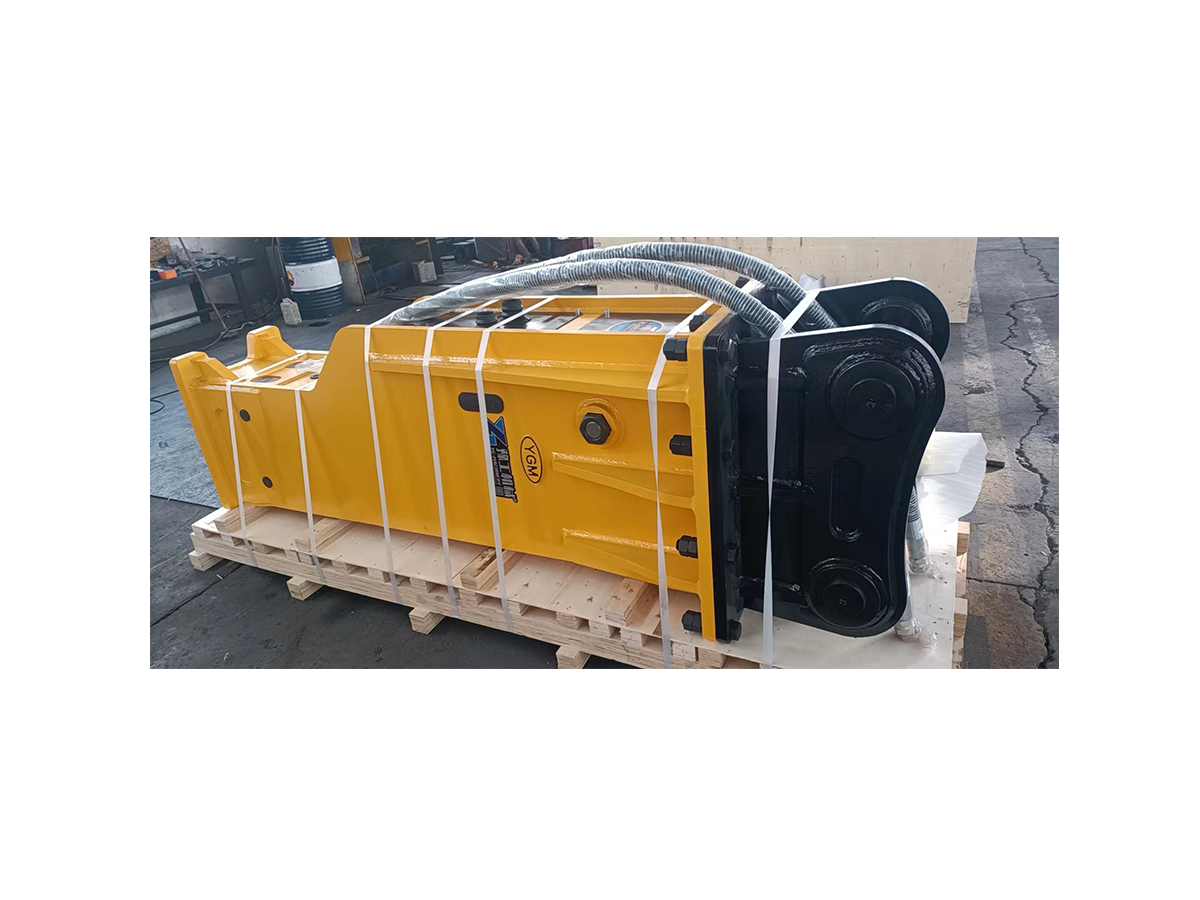

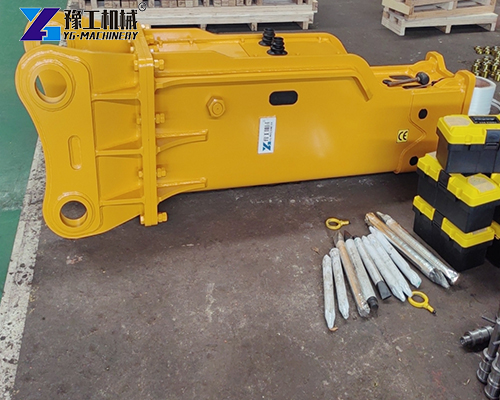
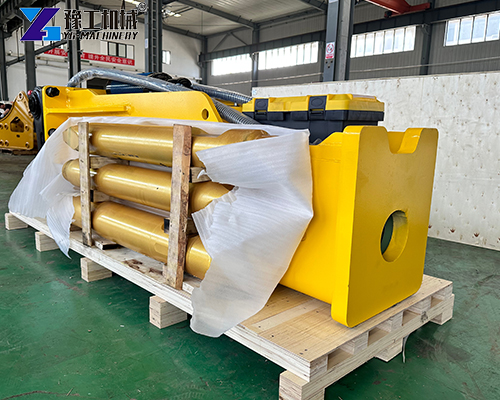
For mines, quarries, municipal demolition and construction work, the rock breaker hammer ranks among the most common attachments for excavators. A well-matched rock breaker hammer greatly boosts your excavator’s performance. However, wrong model selection or improper operation will either cut work efficiency or even damage your equipment severely. This guide covers full core knowledge of rock breaker hammer, including model matching, chisel options, combined construction and operation rules, helping you avoid costly mistakes on site.
Read Specification Charts: What Size Rock Breaker Hammer Fits Your Excavator?
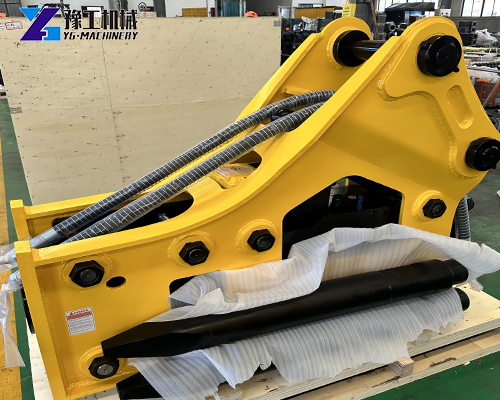
Triangle Type
| Item/Model | Unit | YGB100S | YGB200S | YGB300S | YGB400S | YGB600S | YGB800S | YGB900S | YGB1600S | YGB1900S | YGB3500S | YGB4500S | YGB5000S | YGB5500S | YGB6000S | YGB6500S |
| Weight | kg | 105 | 135 | 150 | 300 | 410 | 450 | 800 | 1600 | 1840 | 2800 | 3200 | 4000 | 5000 | 5700 | 6200 |
| Length | mm | 900 | 1100 | 1200 | 1347 | 1528 | 1920 | 2260 | 2695 | 2810 | 3152 | 3310 | 3400 | 3400 | 3420 | 3700 |
| Pressure | bar | 90-120 | 90-120 | 90-120 | 110-140 | 110-160 | 120-170 | 150-170 | 160-180 | 160-180 | 160-180 | 160-180 | 160-180 | 180-220 | 200-240 | 200-240 |
| Flow | lpm | 15-25 | 20-40 | 25-50 | 40-70 | 50-90 | 60-100 | 80-120 | 120-160 | 130-170 | 170-220 | 200-300 | 210-290 | 220-300 | 230-320 | 360-450 |
| Rate | bmp | 900-1400 | 700-1200 | 600-1100 | 500-900 | 500-800 | 400-700 | 400-700 | 400-700 | 400-600 | 250-400 | 250-350 | 200-350 | 200-250 | 150-200 | 150-200 |
| Hose | inch | 1/2 | 1/2 | 1/2 | 1/2 | 1/2 | 3/4 | 3/4 | 1 | 1 | 1 | 1¼ | 1¼ | 1¼ | 1¼ | 1¼ |
| Chisel | mm | 40 | 45 | 53 | 68/70 | 75 | 85 | 100 | 135 | 140 | 155 | 165 | 175 | 185 | 195 | 205 |
| Suit | ton | 0.8-2.0 | 1.2-3.0 | 2.5-4.5 | 4-7 | 6-9 | 7-14 | 11-16 | 19-26 | 19-26 | 28-40 | 36-45 | 40-55 | 50-60 | 55-65 | 65-100 |
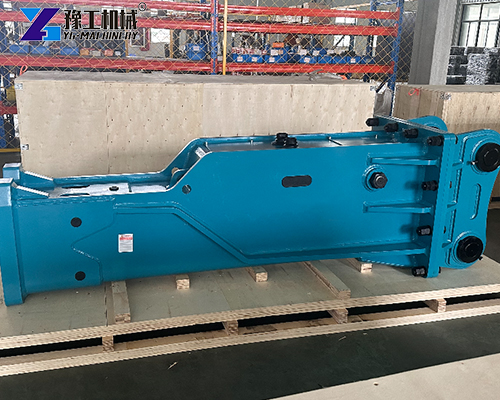
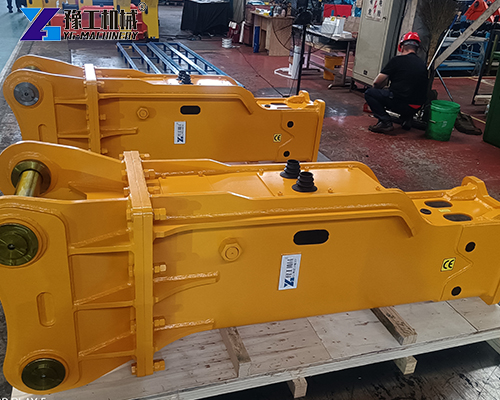
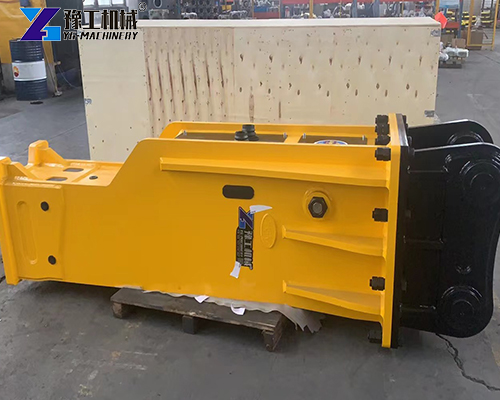
Top Type & Box Type (Silent Type)
| Item/Model | Unit | YGB100 | YGB200 | YGB300 | YGB400 | YGB600 | YGB800 | YGB900 | YGB1600 | YGB1900 | YGB3500 | YGB4500 | YGB5000 | YGB5500 | YGB6000 | YGB6500 |
| Top Type Weight | kg | 85 | 140 | 160 | 355 | 440 | 640 | 900 | 1800 | 1970 | 2850 | 3160 | 4120 | 4800 | 5300 | 7200 |
| Box Type Weight | kg | 100 | 167 | 194 | 363 | 450 | 730 | 970 | 1950 | 2050 | 3000 | 3300 | 4250 | 4900 | 5400 | 7400 |
| Length | mm | 1000 | 1300 | 1400 | 1700 | 1750 | 2100 | 2400 | 2700 | 2860 | 3100 | 3286 | 3800 | 3700 | 4200 | 4300 |
| Pressure | bar | 90-120 | 90-120 | 90-120 | 110-140 | 110-160 | 120-170 | 150-170 | 160-180 | 160-180 | 160-180 | 160-180 | 160-180 | 180-220 | 200-240 | 200-240 |
| Flow | lpm | 15-25 | 20-40 | 25-50 | 40-70 | 50-90 | 60-100 | 80-120 | 120-160 | 130-170 | 170-220 | 200-300 | 210-290 | 220-300 | 230-320 | 360-450 |
| Rate | bmp | 900-1400 | 700-1200 | 600-1100 | 500-900 | 500-800 | 400-700 | 400-700 | 400-700 | 400-600 | 250-400 | 250-350 | 200-350 | 200-250 | 150-200 | 150-200 |
| Hose | inch | 1/2 | 1/2 | 1/2 | 1/2 | 1/2 | 3/4 | 3/4 | 1 | 1 | 1 | 1¼ | 1¼ | 1¼ | 1¼ | 1¼ |
| Chisel | mm | 40 | 45 | 53 | 68/70 | 75 | 85 | 100 | 135 | 140 | 155 | 165 | 175 | 185 | 195 | 205 |
| Suit | ton | 0.8-2.0 | 1.2-3.0 | 2.5-4.5 | 4-7 | 6-9 | 7-14 | 11-16 | 19-26 | 19-26 | 28-40 | 36-45 | 40-55 | 50-60 | 55-65 | 65-100 |
Oversized or Undersized Hammer? 4 Golden Rules for Matching Excavator & Hydraulic Rock Breaker Machine
Random mismatching is the biggest mistake when buying a hydraulic rock breaker machine. Follow these four core rules:
Rule 1: Match excavator tonnage first. Manufacturers of rock breaker hammers always mark the applicable excavator weight range. The actual operating weight of your excavator must fully fall within this range. An overly heavy hammer damages the boom and slewing bearing; an overly light one delivers weak impact force and low productivity.
Rule 2: Check hydraulic flow second. Flow volume determines the striking frequency of the hydraulic rock breaker machine. The output flow of the excavator auxiliary valve shall match the hammer’s required flow within ±10% tolerance. Insufficient flow causes weak blows; excessive flow overheats hydraulic oil and accelerates seal aging.
Rule 3: Check the working pressure third. The rated working pressure of the hammer must stay below the maximum bearing pressure of the excavator hydraulic system. Pressure mismatch leads to unstable impact power and even permanent hydraulic pump damage.
Rule 4: Match working conditions fourth. Heavy side-type hammers fit hard rock mines; top-type models suit high-rise demolition; silent box hammers work for urban construction. Do not rely on a single parameter — evaluate tonnage, flow, pressure, and job site conditions together before purchase.
Four Types of Rock Breaker Hammer Chisels & Rock Breaking Tips
A matched hammer also needs a proper Chisel. Different chisel shapes serve different breaking tasks:
- Moil Point: Conical tip concentrates force on one spot with maximum penetration. Universal choice for general rock breaking and targeted concrete demolition.
- Flat Chisel: Flat, straight blade for trenching, hard rock excavation, and pavement cutting.
- Blunt Chisel: No sharp tip for secondary crushing of broken medium-hard stones; also used for demolition and compacting.
- Grooved Moil Point: Slotted conical tip for sticky mine ores to exhaust trapped air smoothly.
Quick reference: Moil points for hard rock, flat chisels for trenching, blunt bits for secondary breaking, and grooved moils for sticky ore.
Struggle with Steel-Reinforced Concrete? hydraulic rock hammer + Hydraulic Shear — Perfect Demolition Combo
When demolishing heavy reinforced concrete structures, using a hydraulic rock breaker machine alone results in low efficiency and high wear. Frequent impacts crack concrete but often get stuck or bounce off dense steel mesh, causing blank firing, slow progress, and cracked chisels. The industry-standard efficient solution is pairing a hydraulic rock breaker machine with a hydraulic shear: one for breaking, one for cutting. On-site, the hydraulic rock hammer acts as the front unit to smash thick concrete into pieces and fully expose internal steel frames. Then the excavator-mounted hydraulic shear precisely snips tangled heavy steel bars into short segments. This coordinated assembly line-style operation solves two major industry pain points: unbreakable dense concrete and uncuttable steel rebar. It lifts demolition efficiency by over 50% and greatly reduces premature attachment wear from rough operation.
90% of Rock Breaker Hammer Failures Come from Misoperation, Not Normal Wear! 5 Damaging Operating Mistakes
Industry consensus: Most hydraulic rock hammer breakdowns stem from wrong operation instead of natural wear. Below are the five most harmful practices:
1. Blank Firing / Empty Beating
Wrong operation: Operators keep stepping on the striking pedal when the chisel is not fully pressed against materials, after rocks crack, or when the hydraulic rock hammer hangs in mid-air.
Hazards & Mechanics: Normal impact energy transfers from the piston through the chisel to rock or concrete. Blank firing traps massive energy inside the hammer and creates destructive rebound shockwaves. These waves overload Through Bolts, front cylinder, and piston, causing bolt fatigue fracture, front housing cracking, or piston spalling.
Standard Rule: Press the chisel vertically onto work surfaces with the excavator weight before striking. Stop striking immediately once the materials split.
2. Prying / Leveraging
Wrong operation: After inserting the chisel into rock cracks, operators push or pull the boom to pry rocks loose.
Hazards & Mechanics: The hydraulic rock hammer is only designed for vertical axial impact, not lateral bending force. Prying generates extreme side shear stress on the Chisel, Inner Bushing, and piston. This causes abnormal bushing wear, eccentric piston movement, cylinder wall scratching (cylinder scoring), and severe hydraulic oil leakage. In severe cases, the chisel snaps off at its root.
Standard Rule: Never use a hydraulic rock hammer as a crowbar. Use standard buckets or lifting gear to move large broken stones.
3. Continuous Hammering on One Spot
Wrong operation: When hitting hard rock such as granite or basalt, operators strike the exact same spot for over 15–30 seconds without switching positions, even if no cracks form.
Hazards & Mechanics: Long continuous impact traps energy and creates extreme local heat. The chisel tip suffers thermal annealing, losing hardness and deforming into a mushroom shape. Excess heat transfers to hydraulic circuits, overheating oil, carbonizing Oil Seals, and contaminating the whole hydraulic system with black oil, which weakens excavator power.
Standard Rule: Do not strike a single point longer than 15 seconds. If no cracks appear, shift position and break gradually from edges to center.
4. Angled Striking
Wrong operation: The chisel hits materials at a slant instead of staying perpendicular to the work surface.
Hazards & Mechanics: Tilted striking changes full surface contact between piston and chisel rear into point contact, creating eccentric force. This disrupts straight piston travel and scratches the precision-ground cylinder inner wall.
Standard Rule: Adjust boom and stick angles constantly to maintain a strict 90° vertical angle between chisel and material surface.
5. Improper Greasing
Wrong operation: Grease injection while the hydraulic rock breaker machine hangs vertically or lies flat; or insufficient regular lubrication.
Hazards & Mechanics: Grease injected without firm ground contact fills the front piston cavity through bushing gaps. On restart, fast piston impact generates instant ultra-high pressure from incompressible grease, rupturing main hydraulic oil seals. On the contrary, rare greasing leads to dry friction between the chisel and bushing, heavy abrasion, and piston scratches.
Standard Rule: Only add grease when the hammer stands vertical on the ground with the chisel fully retracted. Inject grease every 2–3 hours during continuous work shifts.
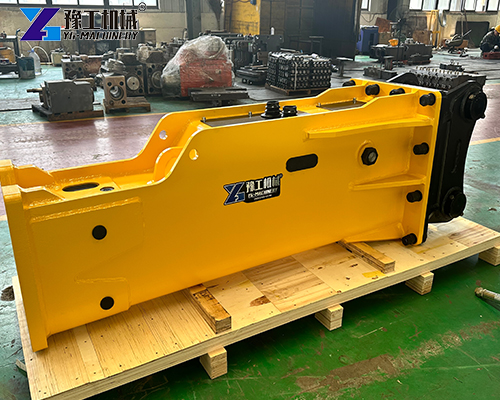
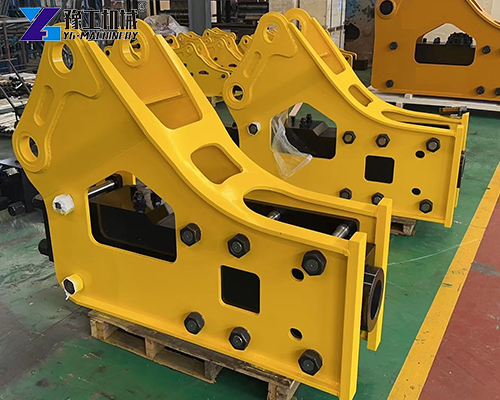
From model matching and chisel selection to combined construction and standard operation, the value of a hydraulic breaker for sale depends entirely on proper selection and maintenance. YG Machinery supplies three full lines: Triangle Type, Top Type, and Silent Box Type, covering excavators from 0.8 ton to 100 ton for all working scenarios. Whether you break hard rock in mines, demolish buildings in cities, or conduct fine tunnel excavation, you can find a perfectly matched hydraulic rock hammer. Correct operation and routine maintenance let your hydraulic rock breaker machine run stably on construction sites, acting as your excavator’s reliable heavy breaking tool.
Contact YG
For full specs of the YG rock breaker hammer and professional model matching advice, feel free to contact us anytime. We provide one-stop service, including model recommendation, working condition analysis, and after-sales technical support.