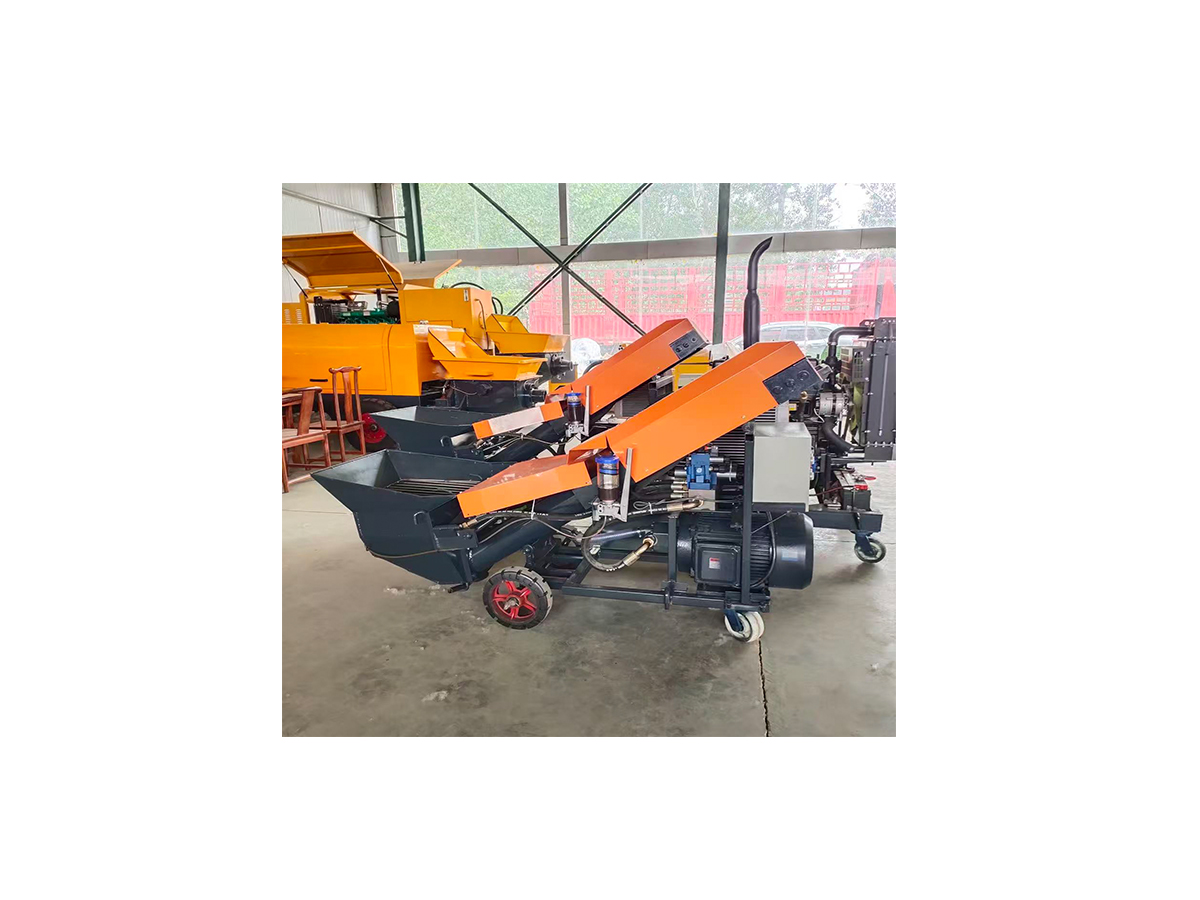

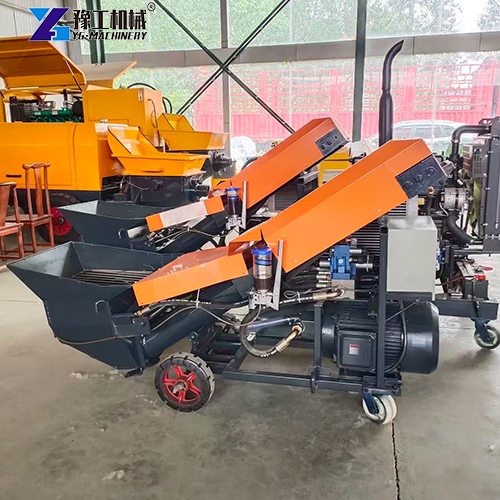
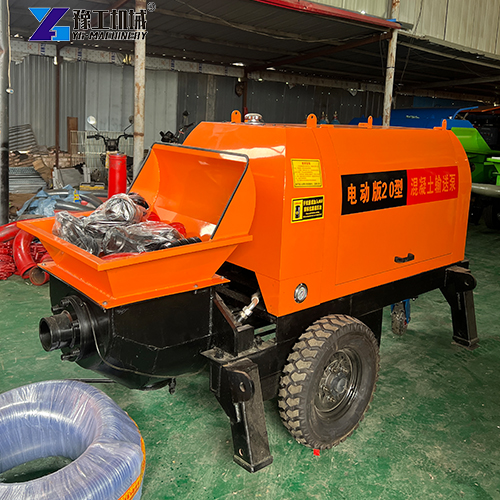
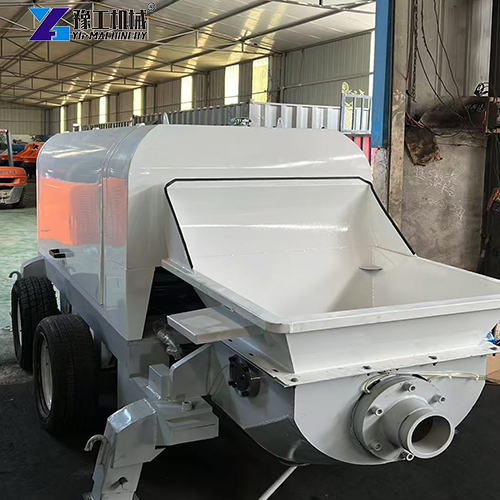
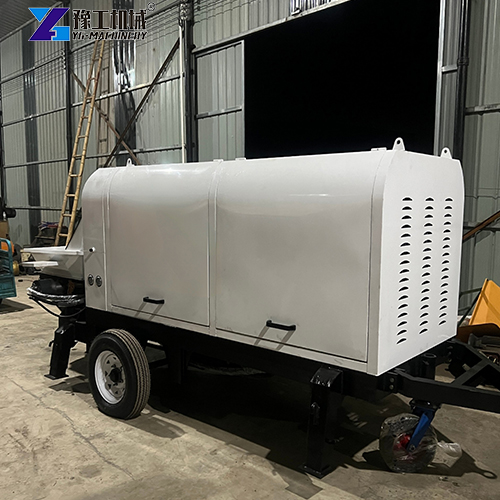
For construction procurement, buying equipment is essentially buying a “solution”—it needs to solve not only the problem of “moving the concrete,” but also the questions of “moving it fast,” “moving it steadily,” and “using it for a long time.” YG trailer mounted concrete pump uses international first-tier core components including Kawasaki hydraulics from Japan, Parker valve groups from the US, and Siemens electronic controls from Germany, combined with an S-tube distribution valve and a double-cylinder piston pumping system to deliver engineering-grade performance with high pressure (up to 23MPa), high efficiency (up to 60m³/h), and long service life (wear parts use cemented carbide). More importantly, it is more flexible than large truck-mounted pumps, safer than manual handling, and more efficient than tower crane operations.
YG Trailer Mounted Concrete Pump Specifications
| Model | Power / Rating | Output (m³/h) | Working Pressure (MPa) | Max Aggregate Size (cm) | Vertical Delivery Distance (m) | Horizontal Delivery Distance (m) | Pipe Diameter (mm) | Machine Weight (kg) |
| Model 20 | 22kW / Diesel Model 4102 | 8-12 | 15 | 0-2 | 40-50 | 80-100 | 80-100 | 900 |
| Model 30 | 37kW / Diesel Model 4105 | 13-15 | 20 | 0-3 | 20-60 | 50-150 | 80-125 | 1600 |
| Model 40 | 45kW / Diesel Model 4108 | 20-25 | 23 | 0-4 | 30-130 | 50-350 | 80-125 | 2200 |
| Model 50 | 55kW / Diesel Model 6102 | 30-35 | 23 | 0-4 | 30-150 | 50-500 | 80-125 | 2200 |
| Model 60 | 90kW | 55-60 | 23 | 0-5 | 30-150 | 50-500 | 125 | 3500 |
How to Read a Trailer Mounted Concrete Pump Model? Understanding Flow, Pressure, and Motor Power
The first step in selection is understanding what the model numbers actually mean. A trailer mounted concrete pump model typically includes three core numbers: output capacity, outlet pressure, and motor power.
- Theoretical output capacity (m³/h): This is the maximum volume of concrete that can be pumped per hour. Model 20 handles 8-12m³/h, while Model 60 delivers up to 55-60m³/h. Higher numbers mean greater pumping efficiency, suitable for high-volume continuous jobs.
- Outlet pressure (MPa): This determines how high and how far concrete can be pumped. YG models operate at pressures from 15 to 23MPa, with 23MPa supporting vertical pumping up to 30-150 metres.
- Power and drive type: Models 20-50 use diesel engines (22 kW- 55 kW), ideal for remote job sites without a power supply. Model 60 is driven by a 90kW electric motor, offering lower noise and smoother operation.
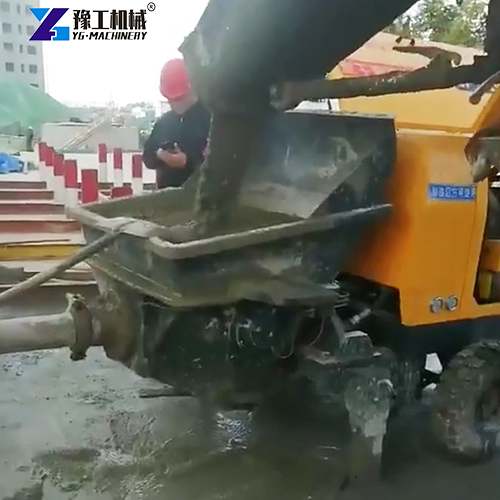
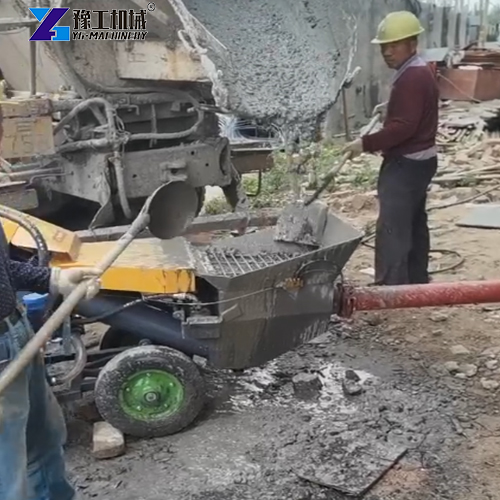
In addition, the YG construction concrete pump uses an S-tube distribution valve with a double-cylinder piston pumping mechanism, delivering smooth continuous pumping with minimal pressure loss – especially suited for fine aggregate concrete and mortar in high-rise applications. This is also one of the core advantages that sets the tow behind concrete pump apart from other pump types.
What Size Trailer Mounted Concrete Pump Do You Need for Different Pouring Heights?
Pouring height is the most important reference when selecting a model. Based on vertical delivery distance, here is our recommendation for choosing a YG trailer mounted concrete pump:
- Within 50 metres: Model 20 (vertical 40- 50 m) is sufficient – ideal for multi-storey residential and underfloor heating fill layers
- Within 60 metres: Model 30 (vertical 20- 60 m) – suitable for low-rise, high-rise buildings and tunnel grouting
- Within 130 metres: Model 40 (vertical 30- 130 m) – ideal for mid-to-high-rise residential and bridge projects
- Within 150 metres: Model 50 or Model 60 (vertical 30- 150 m) – designed for high-rise buildings and large public construction projects
Horizontal delivery distance is also an important reference: Model 50 and Model 60 can deliver up to 500 metres horizontally, making them suitable for long-distance pipeline pumping. When selecting, use the maximum pouring height as your primary criterion, while leaving around 20% pressure margin to account for resistance losses from pipe elbows. For high-rise mortar and fine aggregate concrete delivery, as well as secondary structural column filling, Model 40 and above are the safer choice.
What Are the Main Factors Affecting the Price of a Tow Behind Concrete Pump?
Understanding the cost breakdown helps you make a more informed decision within your budget. The main factors affecting the price of a construction concrete pump include:
- Model and specifications: Higher output and pressure mean a higher price. The price difference between Model 20 and Model 60 can be several times over – the core differences lie in motor power, pumping system, and overall machine weight.
- Power type: Diesel drive is suitable for outdoor sites without power and is slightly more expensive than electric drive; electric versions are quieter and easier to maintain.
- Core component brands: YG uses international brands such as Kawasaki hydraulics, Parker, Siemens, and Schneider – quality is better assured, but costs are correspondingly higher.
- Smart features: Models equipped with PLC programmable controllers, one-button high/low pressure switching, stepless flow adjustment, and fully automatic centralised lubrication are priced higher than basic versions.
- Shipping and duties: Additional factors include sea freight costs, destination port tariffs, and local certification requirements.
FAQs about Concrete Pumping Equipment
Q1: What materials can concrete pumping equipment handle?
It is mainly used for fine aggregate concrete, mortar, foamed cement, and refractory insulation materials. YG pumps use S-tube distribution valves and handle small-aggregate concrete (0- 5 cm particle size) well, and are also suitable for underfloor heating fill layers, secondary structural columns, and reservoir grouting.
Q2: How do you prevent pipe blockages during high-rise pumping?
Blockages are a common issue in concrete pumping. Recommendations: ① Choose the right concrete slump based on pumping height (180- 200 mm for over 100m); ② Use mortar to lubricate the pipeline before pumping; ③ If the unit has a reverse pumping function, use it to quickly break up blockages.
Q3: How do you choose between electric and diesel pumps?
For sites with stable power, choose electric drive (Model 60) – lower noise and operating costs. For outdoor temporary power or frequent site changes, diesel drive (Models 20-50) is more flexible and convenient.
Q4: What daily maintenance does the equipment need?
YG construction concrete pump features a fully automatic centralised lubrication system that automatically supplies oil to moving parts, extending seal life. Daily maintenance includes checking hydraulic oil temperature (forced air cooling), cleaning the hopper, and regularly replacing wear parts (the wear-resistant eye plate and cutting ring use cemented carbide for long life).
Q5: What is the service life of the equipment?
Under normal maintenance, the core pumping system can last 8-10 years. Wear parts (such as S-tube valve seals and cutting rings) should be replaced periodically based on pumping volume – YG uses high-quality wear-resistant materials for longer replacement intervals.
Speak with Our Product Manager
Contact YG
Whether you are a general building contractor, bridge construction company, or a specialist subcontractor in underfloor heating or tunnel grouting, YG offers complete trailer mounted concrete pump solutions from Model 20 to Model 60. The 5 models cover output from 8-60m³/h and vertical heights from 40-150 metres, available with both diesel and electric power options, and come standard with S-tube distribution valves, double-cylinder piston pumping, and international brand core components – reliable quality with outstanding value for money.
YG provides one-stop service from selection advice, voltage/pipe diameter customisation, to shipping and installation guidance. Contact YG for a detailed selection plan and price quote.