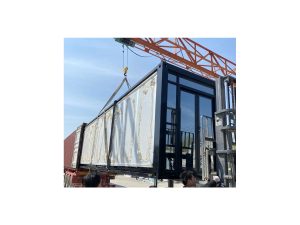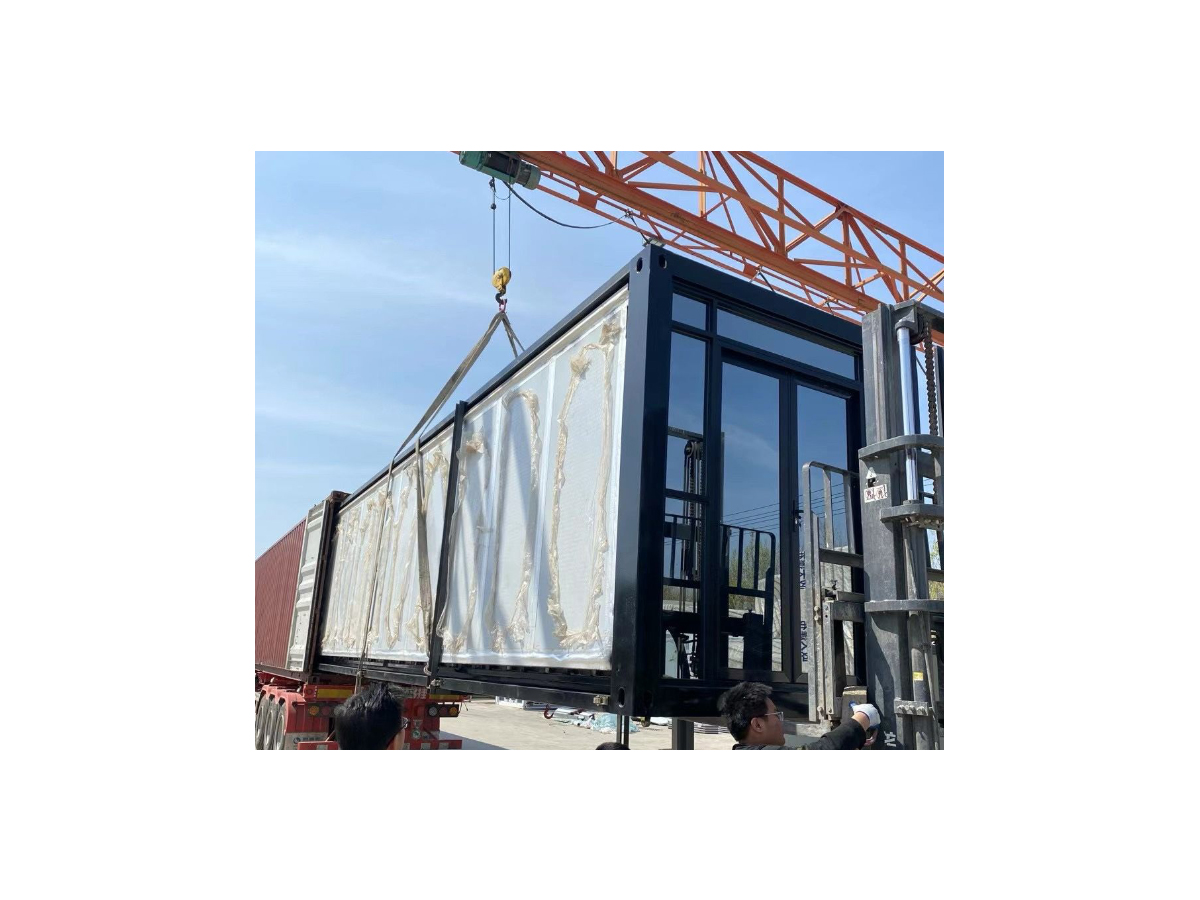

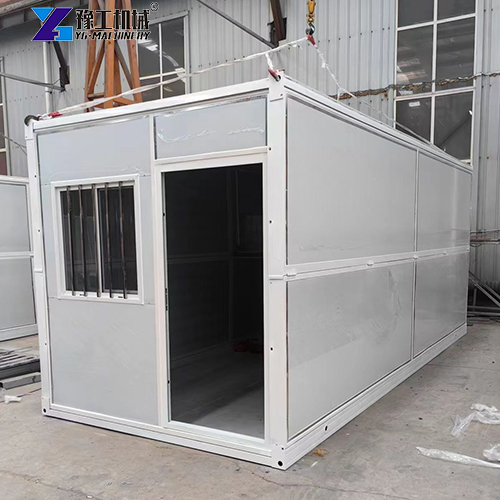
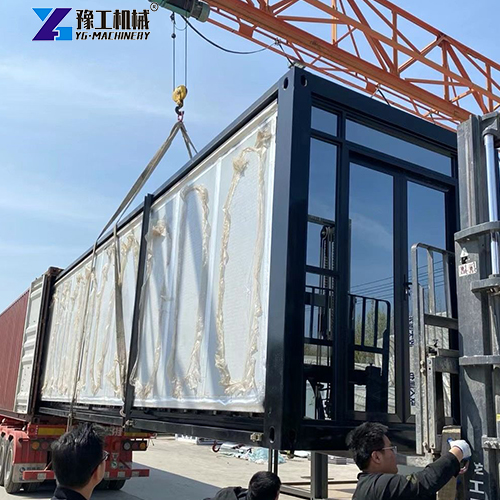
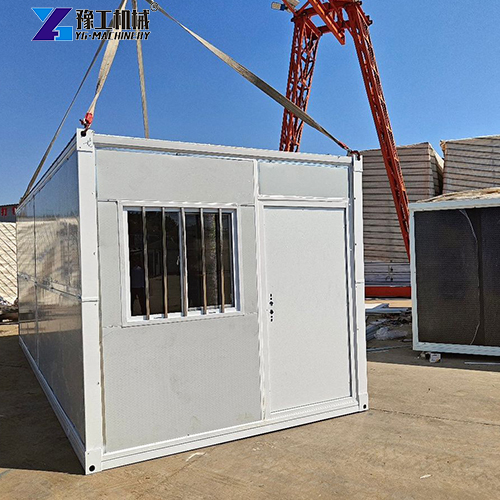
Building small accommodation or temporary office space does not require long construction periods or high on-site building costs. The YG Z-shaped tiny folding house has its main structures and basic parts prefabricated in the factory. It stays compact during transport and can be quickly unfolded and installed after arrival. For budget-sensitive project owners, camp operators, and rental companies, it offers a modular solution with controllable logistics, labor, and expansion schedules.
Flat Pack Houses for Sale Parameters
| Item | Specification |
| Standard Size | 6055×2990×2896 mm |
| Fire-proof Rating | Grade A |
| Service Life | More than 20 years |
| Anti-seismic Grade | Grade 8 |
| Wind-resistant Grade | Grade 11 |
| Standard Accessories | 1 security door, 2 windows, 1 switch, 2 lamps, 2 general sockets, 1 air-conditioner socket, 1 leakage protector, 1 air switch |
In-Stock Models Ready to Ship – See What’s Available
What Features Does the Z-shaped Tiny Folding House Have?
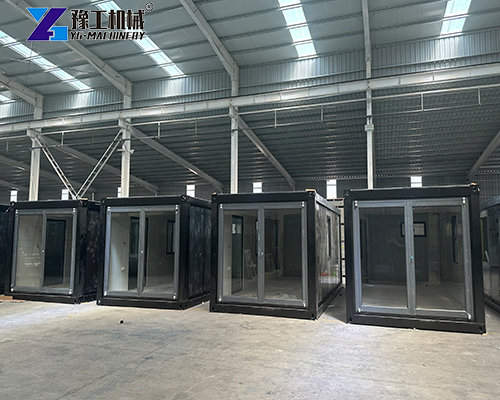
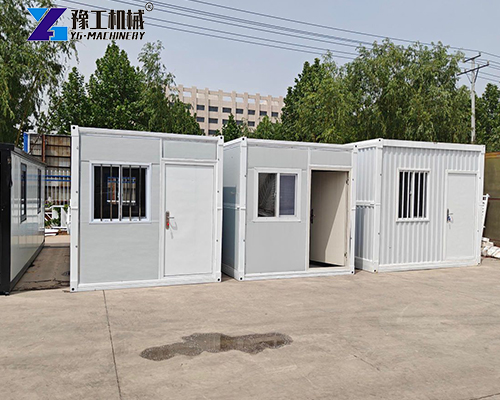
The Z-shaped tiny folding house combines the structural appearance of traditional container houses and the rapid deployment advantages of folding buildings. It is ideal for buyers who want to shorten on-site construction time.
- More compact transport. After folding, the house takes up less shipping space. According to product specs, one 17.5-meter truck can carry up to 14 units, cutting transport trips and scheduling time for bulk projects.
- Fast unfolding. Simple push-and-pull operation completes basic unfolding of the main unit in around 3 minutes. Under standard site conditions, about 3 workers can finish assembling one single unit within 30 minutes.
- Stable and durable structure. It adopts high-quality steel and professional manufacturing processes. The galvanized steel frame improves corrosion resistance, making it suitable for construction sites, camps, and field environments.
- Reusable multiple times. The unit can be disassembled, relocated, and redeployed, perfect for temporary site buildings, rental rotation, and phased projects. Compared with one-off temporary buildings, it helps boost asset utilization.
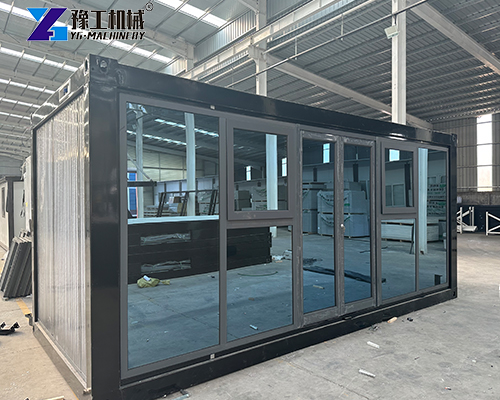
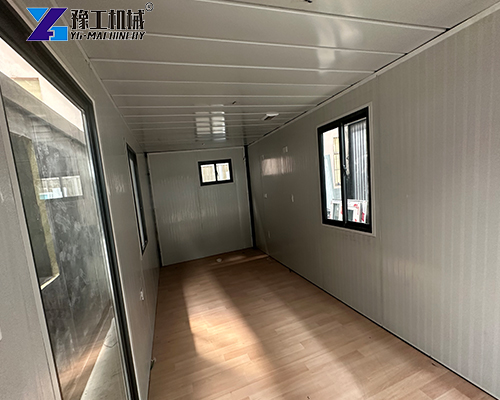
- Customizable functions. Besides living quarters, it can be configured as offices, storage rooms, kitchens, shower rooms, restrooms, or security booths. As a container foldable house, partitions, insulation, doors, windows, and water & electrical systems can be added based on actual needs.
Difference Between Z Tiny Folding House & Expandable Wing House
Z-shaped flat pack modular homes and expandable wing houses both belong to prefabricated folding buildings, but they focus on different design priorities. The Z-shaped unit emphasizes compact transportation, fast deployment, and standardized module combination. The expandable wing house unfolds left and right wings to gain larger indoor space per unit. When shipped, the expandable wing house keeps its central main box. During installation, walls, roof, and floor extend outwards on both sides to increase usable interior area.
| Comparison Items | Z-shaped flat pack modular homes | Expandable Wing House |
| Main Features | Folding transport, fast deployment, modular combination | Two-side expansion, larger space per unit |
| Transport Focus | High loading capacity & efficient bulk shipment | Volume change before and after unfolding |
| Space Per Unit | Standard modular space | Usually more spacious after expansion |
| Installation Method | Unfold, position, anchor and connect utilities | Open wings, reinforce, seal and connect water & power |
| Suitable Projects | Emergency housing, worker dorms, site camps, offices | Residential homes, vacation houses, guesthouse rooms, small commercial spaces |
| Future Expansion | Add extra modules for expansion | Gain extra space mainly via wing expansion of single unit |
Suggestions for selection:
- If your project needs bulk transport, fast camp setup, and multiple functional units combined, the Z-shaped tiny folding house is more suitable.
- If your priority is to get larger living space inside one single unit, the expandable wing house may fit better.
- If the access road at the installation site is narrow, lifting conditions are limited, or frequent relocation is required, confirm folded dimensions, weight and unloading requirements of both house types in advance.
- For long-term residences or vacation houses, pay more attention to thermal insulation, waterproofing, bathroom, doors, windows, interior finishing and local building permits, rather than only the unfolding method.
Speak with Our Product Manager
7 Reasons Why Z-shaped Tiny Folding House Fits Budget-friendly Small Housing Projects
For first-time small home buyers, camp operators, rental investors, and project owners needing temporary accommodation, Z-shaped flat pack modular homes serve as a flexible cost-control solution.
- Higher transport efficiency. Folded design reduces space occupied by each unit, so logistics costs are easier to optimize for bulk purchases.
- Less on-site labor required. Structures are prefabricated in a factory. On-site work mainly includes unfolding, fixing, and connection, removing many traditional construction steps.
- Ready for use quickly. Basic unfolding of the main unit takes roughly 3 minutes, great for tight-schedule projects requiring fast delivery.
- Phased expansion available. One unit can be used as accommodation or office first. Extra modules can be added later to build a complete flat pack modular homes layout.
- Complete basic electrical setup. Standard fittings such as doors, windows, lights, sockets, AC sockets, and leakage protectors reduce preparation work before occupancy.
- Reusable after relocation. For rental firms, contractors, and phased projects, the house can be redeployed at different sites to raise its value.
- Custom upgrades fit your budget. Buyers can start with a basic configuration, then add upgrades like bathroom, kitchen, insulation, interior finishes, facade, or solar ports later according to usage.
Note that budget projects should not only compare factory prices. Transport, foundation, installation, water & power, interior work, permits, and maintenance costs all need to be included in the total budget.
Speak with Our Product Manager
What to Confirm Before Buying a Flat Pack Container House
When purchasing flat pack houses for sale, define usage and technical requirements first before comparing quotations. Suppliers may differ greatly in basic configuration, steel grade, insulation solution, and transport packaging.
- Clarify usage: worker dormitory, emergency shelter, office, guesthouse, storage, or bathroom space.
- Confirm quantity & delivery schedule: planned purchase volume, phased delivery plan, and project start date.
- Verify transport plan: ask suppliers for folded dimensions, weight, loading drawings, container packing diagrams, and packing lists.
- Check site conditions: foundation type, ground flatness, drainage, vehicle access, lifting or forklift availability.
- Validate technical specs: steel structure, anti-corrosion, insulation, fire protection, doors, windows, electrics, plumbing, and interior finish standards.
- List customization needs in advance: door & window positions, partitions, bathroom, kitchen, air conditioning, sockets, and local voltage standards.
- Check local compliance: confirm local land, building, fire, and electrical codes before long-term use, multi-unit stacking, or commercial operation.
For distributors and project buyers planning to order flat pack houses for sale, complete drawings, material lists, quality inspection documents, installation manuals, and after-sales support are also important.
Contact YG
YG provides Z-shaped tiny folding house solutions for emergency construction, worker dormitories, site offices, camp projects, and temporary commercial spaces.
If you are evaluating or preparing bulk purchases of flat pack modular homes, send YG your project location, product usage, purchase quantity, service period, climate conditions, and target delivery date. We will recommend suitable sizes, configurations, and transport plans based on your project to help you get a modular space solution balancing cost, delivery speed, and practical value.