
During grain harvest season, farmers need to load, stack, and transfer grain within a limited time. Sand and gravel yards continuously load sand and stones onto transport trucks to keep site operations running. When winter comes, municipal teams must clear snow from roads, plazas, and airport runways in a timely manner. These scenarios look different, yet they share one common requirement: to load, move, and organize large volumes of materials efficiently with low labor and operating costs.
A construction front end loader is exactly the core equipment to solve these problems. It can not only scoop and transfer bulk materials, but also handle log grabbing, fork loading, bale moving, snow removal, and site cleanup by swapping attachments.
This article covers five areas: industry applications, equipment selection, attachment configuration, purchasing decisions, and maintenance management. It helps business owners, farmers, equipment purchasing managers, and dealers find a suitable construction front end loader solution.
Front Wheel Loader Specifications
| Parameter \ Model | 920 | 926 | 928 | 930 | 940 | 946 | 949 |
| Transmission Mode | Mechanical Control | CVT | CVT | CVT | CVT | CVT | CVT |
| Dumping Height (m) | 3.2 | 3.2 | 3.2 | 3.2 | 3.5 | 3.5 | 3.5 |
| Standard Bucket | 1.8 m | 1.8 m | 1.8 m | 1.8 m | 2 m | 2 m | 2 m or 2.2 m |
| Gearbox | High & Low Speed | 265 Single High-Low Speed | 265 Dual High-Low Speed | 265 Dual High-Low Speed | 265 Dual High-Low Speed | 280 Dual High-Low Speed | 300 Split Dual High-Low Speed |
| Drive Axle | Isuzu | Isuzu | Small Planetary Axle | Small Planetary Axle | Large Planetary Axle | Large Planetary Axle | Large Planetary Axle |
| Engine | Weifang 490 | Weifang 490 | Weifang 490 | Turbocharged Weifang 4102 | Turbocharged Weifang 4102 | Turbocharged Weifang 4102 | Turbocharged Weifang 4108 |
| Tires | 20.5-16 | 20.5-16 | 20.5-16 | 20.5-16 | 1670-20 | 1670-20 | 1670-24 |
| Control Handle | Single Lever Control | Single Lever Control | Single Lever Control | Single Lever Control | Single Lever Control | Single Lever Control | Single Lever Control |
| Brake Type | Hydraulic Brake | Hydraulic Brake | Air Brake | Air Brake | Air Brake | Air Brake | Air Brake |
| Articulation Angle (°) | 25 | 25 | 25 | 25 | 30 | 45 | 45 |
In-Stock Models Ready to Ship – See What’s Available
What Is a Construction Front End Loader?
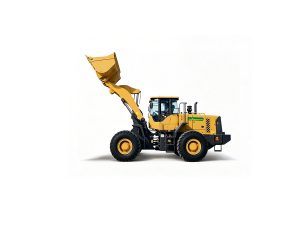
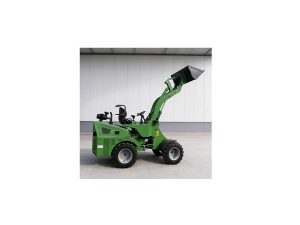
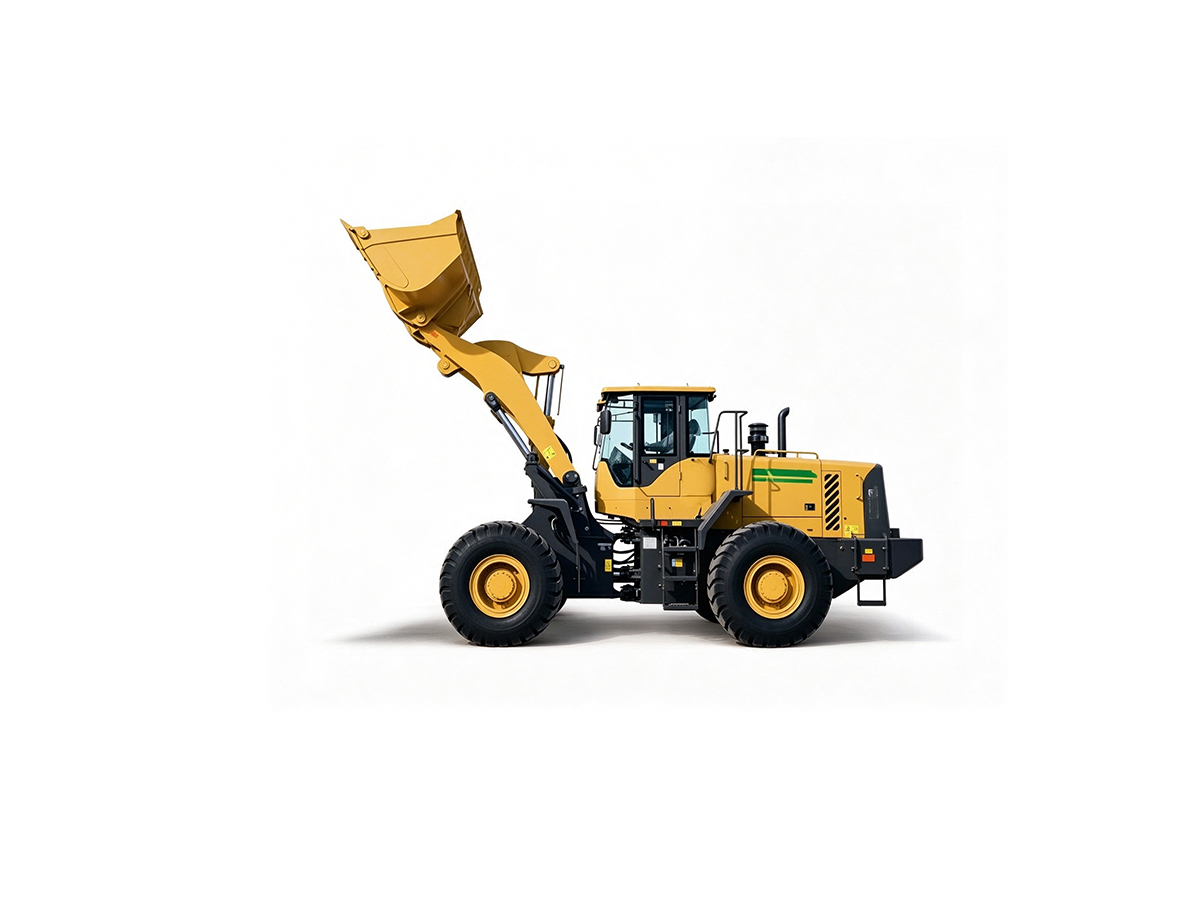
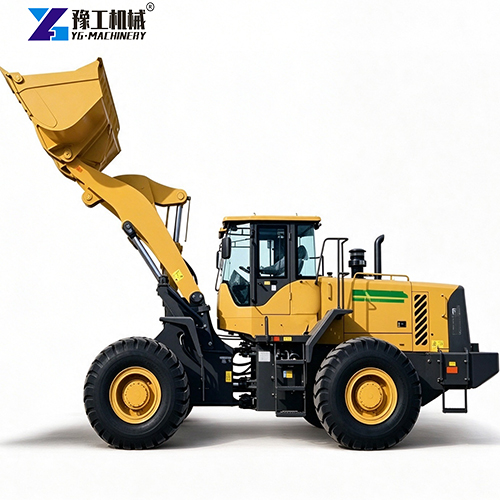
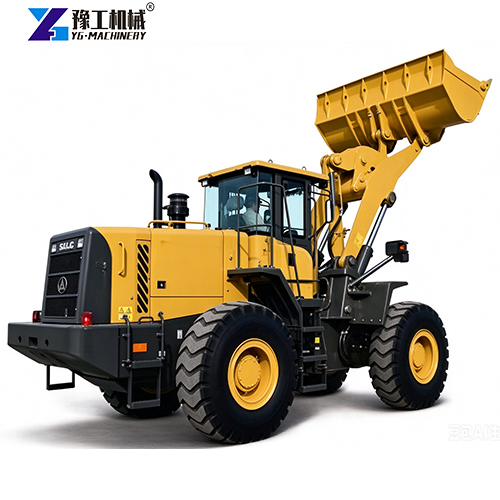
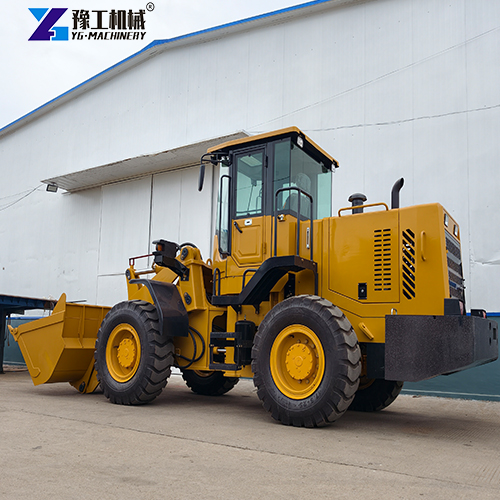
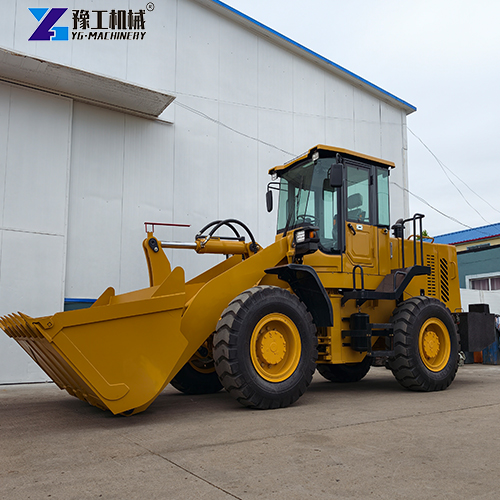
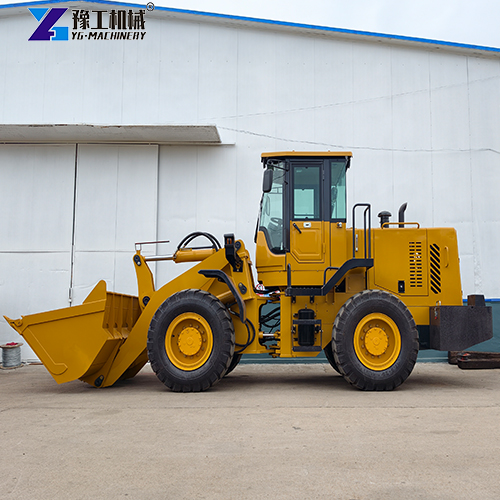
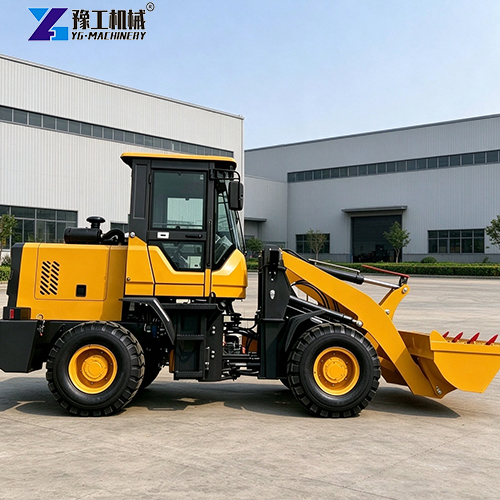
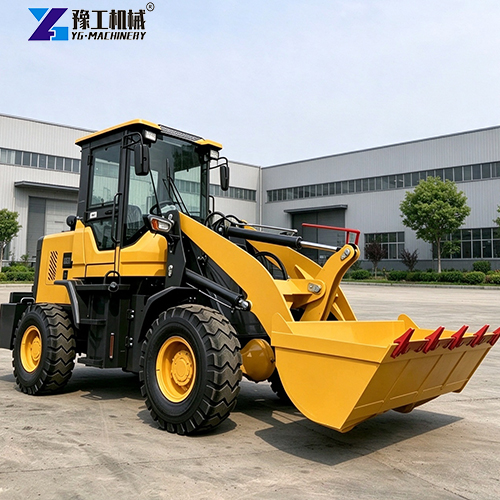
A construction front end loader is a heavy wheeled loading machine. It has a hydraulically controlled bucket at the front, used to scoop, lift, carry, and unload bulk materials such as sand, gravel, coal, grain, and construction waste.
The basic unit consists of a diesel engine, hydraulic bucket control system, articulated steering chassis, and transmission system. Transmission options include mechanical shift or infinite variable speed. The real strength of this machine lies not only in power, but also in versatility. With a quick-change attachment system, one front end wheel loader can switch from grain loading to winter snow removal, or from coal stacking to log handling — one machine for multiple jobs.
Why the Construction Front End Loader Is a Multi-Industry Workhorse
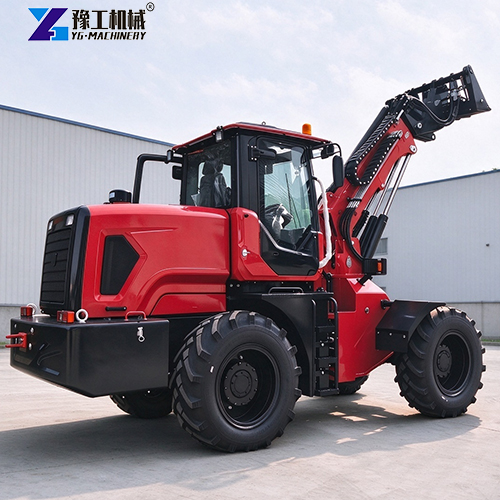
A construction front end loader works across many industries mainly because of its universal chassis and wide range of attachments. A standard bucket handles sand, stones, and construction debris. Pallet forks move packed goods and pallets. Log grapples load and unload raw timber. Bale handlers work with hay bales, straw and feed.
This multi-purpose design improves annual equipment utilization. Companies do not need to buy a separate machine for occasional tasks. By changing attachments, the same unit can load trucks, stack materials, clean sites, handle short-distance transport and seasonal maintenance work.
The front end wheel loader also has the mobility advantage of wheeled machines. Compared with tracked equipment, it moves quickly between paved yards, farm roads, warehouses, ports, and city streets. The articulated design improves turning performance and makes loading and turning easier in tight spaces.
Its key benefits:
- One main machine fits many attachments.
- Suitable for short- and medium-distance on-site material transfer.
- Articulated body works well in narrow work zones.
- Standardized management for common wear parts.
- Higher equipment utilization and better return on investment.
Of course, these advantages depend on proper selection. Too small a machine leads to low loading efficiency, continuous overloading, and fast part wear. An oversized unit brings higher fuel consumption, larger space requirements, and unnecessary purchase costs.
Multi-Field Applications
Agriculture: Grain, Feed and Farm Material Handling
Farm work is highly seasonal. During harvest, grain loading, stacking, and transfer must run continuously. If machine capacity is insufficient, it will disrupt the workflow of trucks, dryers, and storage facilities.
Farmers can use this machine with a grain bucket or large-volume light material bucket to load corn, wheat, and other bulk farm products quickly. Compared with manual handling, mechanized loading shortens harvest cycles and cuts reliance on temporary labor.
Livestock farmers have different needs. construction wheel loader often moves forage, feed, straw, bedding, and manure. Fitted with bale grabbers, clamps, or pallet forks, it speeds up bale handling. With a standard bucket, it can also clean yards and transfer manure.
Mixed farms value machine versatility. Besides grain and feed transport, it can do:
- Level farm roads and work sites.
- Move sand, soil, and construction materials.
- Backfill ditches and support foundation work.
- Handle timber, hay bales, and palletized goods.
- Clean livestock barns and surrounding areas.
Recommended configuration for agriculture:
- Medium rated load capacity.
- Body size suitable for barns and narrow aisles.
- Grain bucket or light material bucket.
- Bale grabber, clamp, or pallet fork.
- Cab with good visibility.
- Tires balancing traction and ground protection.
When buying for farm use, do not only focus on maximum lifting weight. Turning radius, body width, operator view, tire tread, and attachment swap time usually affect daily performance more than small differences in engine power.
Industrial & Construction: Sand, Gravel, Coal, Recycling and Building Sites
Sand and stone yards need frequent loading of sand, crushed rock, and aggregates. Machines must load trucks fast, plus sort stockpiles, move materials short distances on site, and feed processing equipment.
For these working conditions, bucket capacity must match material density and machine rated load. Too small a bucket increases loading cycles. Too large a bucket may cause overload, excessive front axle load, or reduced stability.
Coal stockpiles usually have lower material density than rock. So if machine stability and rated load allow, a larger light material bucket can be used. Where coal dust is heavy, pay extra attention to radiator cleaning, air filter maintenance and engine intake protection.
Recycling yards handle mixed materials. Scrap steel, construction waste, timber and mixed rubbish may impact buckets, hydraulic hoses and frames. Reinforced buckets, grapples or waste grabs can be considered, and good operator visibility is required.
On construction sites, a construction wheel loader handles many jobs:
- Load sand and soil into dump trucks.
- Carry cement, bricks and pipes with pallet forks.
- Clear construction and demolition waste.
- Backfill trenches and level work areas.
- Maintain temporary roads and work platforms.
- Feed crushers, screening machines, or mixing equipment.
For construction sites, check boom structure, breakout force, bucket wear parts, quick coupler, and auxiliary hydraulic lines. When choosing buckets, calculate bucket weight, quick coupler weight, material density, and fill factor, not just nominal volume.
Forestry & Warehousing: Timber, Storage and Short-Distance Heavy Loads
Forest and timber mills have different requirements from regular earthmoving work. Raw logs are long, heavy, and irregular. Standard buckets cannot grab or stack them stably.
Timber yards can use log grapples, timber forks, or rotating grabs to improve loading efficiency for logs and sawn timber. Before purchase, inspect grab rotation, hydraulic flow, jaw strength, hose protection, and operator sightlines.
Forest sites often have muddy ground, potholes, wood chips and sharp debris. Tire durability, ground clearance, drive axle capacity and chassis protection matter a lot.
Ports, yards and warehouses mainly move pallets, packaged goods, stone, timber and bulk materials. Fitted with forks or special handling attachments, the machine handles heavy loads over short distances.
Key points for this working condition:
- Rated load at actual reach distance.
- Stability when cargo is lifted high.
- Smooth hydraulic control.
- Site travel speed.
- Tires for paved surfaces and debris.
- Cab visibility and protection.
front wheel loader works in warehouses and timber yards only if you follow load charts matching actual attachments and lift height. The weight a machine lifts at low height is not the safe lifting weight at high lift or long reach.
Municipal & Environmental: Snow Removal, Sanitation and Bulk Material Handling
Municipal and environmental work requires machines usable across seasons. In summer, a construction wheel loader moves sand, soil, green waste, and road repair materials. In winter, it can mount snow pushers, snow brooms, snow buckets, or snow blowers.
Winter snow removal puts high priority on cold start performance, low-temperature hydraulic response, operator visibility, and fast attachment change. Wide snow pushers clear large plazas, parking lots, and airport areas. Snow brooms or narrow snow shovels fit roads, factory areas, and pedestrian zones.
In municipal infrastructure and environmental maintenance, construction wheel loaders also handle:
- Soil and sand from road repairs.
- Crushed stone and bedding materials for drainage projects.
- Landscape waste and compost.
- Urban cleaning waste.
- Public works construction debris.
- Temporary stockpiling at transfer stations.
Municipal purchases need a balance between mobility, attachment compatibility, and easy maintenance. Smaller machines suit narrow streets and building surroundings. Large transfer stations or infrastructure projects need higher load capacity and bigger buckets.
Speak with Our Product Manager
How to Match a Construction Wheel Loader to Your Job Site
Start machine selection with your work cycle, not product catalogs. First record this information:
- Material type and approximate density.
- Weight and volume moved per cycle.
- Loading height and discharge height.
- One-way travel distance.
- Site condition: flat, muddy, or hard ground.
- Daily and annual working hours.
- Frequency of attachment changes.
- Whether road travel between sites is needed.
Then compare machine rated load, operating weight, bucket capacity, hydraulic performance, tire size, and drive axle type.
| Application | Main Concerns | Recommended Configuration |
| Agriculture | Mobility, moderate load, less ground damage | Light material bucket, bale grabber, pallet fork |
| Sand & Gravel Yard | Breakout force, wear resistance, continuous loading efficiency | Heavy-duty bucket, wear cutting edge, reinforced drive axle |
| Coal Yard | Capacity, low-density material control, heat dissipation | Large-volume light material bucket, matched tires |
| Construction Site | Versatility, traction, fast attachment swap | Standard bucket, quick coupler, pallet fork |
| Port & Warehouse | Rated load, stability, transfer efficiency | Pallet fork, high-lift handling setup |
| Forestry | Load control, hydraulic protection, visibility | Log grapple, timber fork, rotating grab |
| Municipal Work | Seasonal adaptability, fast switching, flexibility | Snow pusher, snow broom, general bucket |
Agriculture Selection
Farm users usually start with a medium front end wheel loader. Focus on body width, turning radius, tire specs, and compatibility with bale and log attachments.
If you mainly work in barns, stock yards, and narrow passages, avoid large mining-style machines. Oversized units raise purchase and fuel costs and reduce operation flexibility.
Sand, Gravel & Coal Yard Selection
For sand and gravel yards, select buckets according to material density. Heavy rock, wet sand and wet aggregates usually need smaller but stronger buckets. Coal, grain and dry light materials can use large light-duty buckets.
Also check durability of bucket teeth, side edges, wear plates, boom pins and drive axles. For heavy impact and rough ground, large wheel reduction axles perform better than light single-reduction axles.
Construction Site Selection
Construction companies should check compatibility of quick couplers, auxiliary hydraulic lines, pallet forks, and standard buckets. If attachments are swapped many times daily, quick couplers cut waiting time.
But couplers add front-end weight and may reduce payload and machine stability. Include coupler weight in rated load evaluation when purchasing.
Port & Warehouse Selection
Ports and warehouses confirm machine capacity based on actual cargo weight, lift height, and travel distance. Do not judge high-lift suitability only by low-position rated load.
For pallet goods and stone products, check fork length, fork rated load, boom visibility, and high-position stability.
Municipal Selection
Municipal teams must verify hydraulic flow, electrical connections, mounting design, and stability to fit snow pushers, snow brooms, and other attachments.
If the machine handles many jobs all year round, use a quick coupler, plus a standard bucket, pallet fork, and seasonal snow removal attachments.
Speak with Our Product Manager
Attachments That Turn One Loader Into Many Machines
Attachments are the core that lets a front wheel loader work across many scenarios. Different attachments change not only what the machine can do, but also rated load, visibility, hydraulic demand, stability, and maintenance cost.
Standard and Special Buckets
Standard buckets work for soil, sand, crushed rock, and common construction materials. Light material buckets fit low-density materials including grain, coal, snow, wood chips, and compost.
Rock buckets need stronger wear plates, teeth, side edges, and reinforced structures for high-impact, high-wear environments.
Bucket selection factors:
- Material density.
- Bucket self-weight.
- Machine rated load.
- Fill factor.
- Discharge height.
- Wear resistance of teeth and cutting edges.
- Extra weight from quick coupler.
Pallet Forks & Material Handling Attachments
Pallet forks are used in warehouses, ports, farms, material yards, and job sites. Fork length and rated load must match actual cargo.
For pallets, stone, and packaged goods, check adjustable fork spacing, cargo stability, and operator sightlines. Bucket rated load cannot replace load data under fork operation.
Log Grapples, Bale Grabbers & Clamshell Buckets
Log grapples handle raw logs and long timber. Bale grabbers and clamps work with hay bales, cotton bales, straw, and feed.
Recycling yards can use rotating grapples or heavy-duty grabs. Check these before purchase:
- Empty weight of the grab.
- Hydraulic hose routing.
- Jaw synchronization.
- Cylinder protection.
- Rotation function and swing range.
- Auxiliary hydraulic flow supplied by the loader.
Snow Pushers, Snow Brooms & Cleaning Equipment
Snow pushers, snow brooms, and sweepers let front end wheel loaders handle winter snow removal and site maintenance.
Before installation, confirm hydraulic flow, mounting plate, electrical interface, attachment width, and machine stability. Quick couplers speed up replacement but add front weight, which must be counted in purchase calculations.
Maintenance Habits That Extend Loader Life
A machine earns revenue only when it runs reliably. Reducing downtime improves return on equipment investment.
Do a walk-around inspection before every shift. Check fluids, leaks, tires, wheel bolts, lights, alarms, attachment pins, hydraulic hoses, bucket wear, and frame cracks.
Key maintenance practices:
- Inspect engine oil, coolant, hydraulic oil, gearbox oil, and drive axle oil as required.
- Replace filters based on working hours and use matching filter models.
- Lubricate hinge points, boom pins, bucket links, and other lubrication points regularly.
- Check hydraulic hoses for wear, swelling, cuts, or leaks.
- Keep proper tire pressure to avoid higher fuel use and lost traction.
- Replace worn bucket teeth, cutting edges, and side edges promptly.
- Check quick coupler lock status after every attachment change.
- Clean radiators in dusty areas with straw or wood chips.
- Keep records of working hours, faults, repairs, and part replacements.
If bucket teeth are heavily worn, continued operation will speed up damage to bucket lips, adapters, and bucket bodies. Timely replacement of wear parts usually costs less than structural repairs.
FAQs about Construction Wheel Loader
1. What is a construction front end loader best used for?
It is best suited for scooping, truck loading, stacking, short-distance transfer, and site cleanup of bulk materials. With different attachments, it can handle grain, hay bales, timber, pallets, waste, and snow.
2. What size construction front end loader do I need?
Choose based on material type, daily workload, discharge height, site space, and travel distance. Small models fit narrow sites and light loads. Medium and large units work better for sand, coal, and continuous heavy-duty tasks.
3. How do I choose the right bucket size?
Select according to material density, production volume, machine rated load, bucket self-weight, discharge height, and overall machine stability.
Low-density materials such as grain, coal, and snow usually allow larger light-duty buckets. Rock, wet aggregates, and high-density materials need smaller but stronger buckets.
4. What attachments should I buy first?
Start with a standard bucket, then add attachments for your most frequent extra tasks.
- Farm: bale grabber, clamp or pallet fork.
- Construction company: quick coupler and pallet fork.
- Timber mill: log grapple or timber fork.
- Municipal department: snow pusher, snow broom or snow bucket.
- Recycling yard: heavy-duty grapple or waste bucket.
5. How often should a front wheel loader be serviced?
Follow the manufacturer’s service schedule by working hours, plus daily walk-around checks. Increase inspection frequency in dusty, highly abrasive, long-hour, or high-temperature environments. Include hydraulic systems, filters, tires, lubrication points, bucket wear, and cooling systems in maintenance logs.