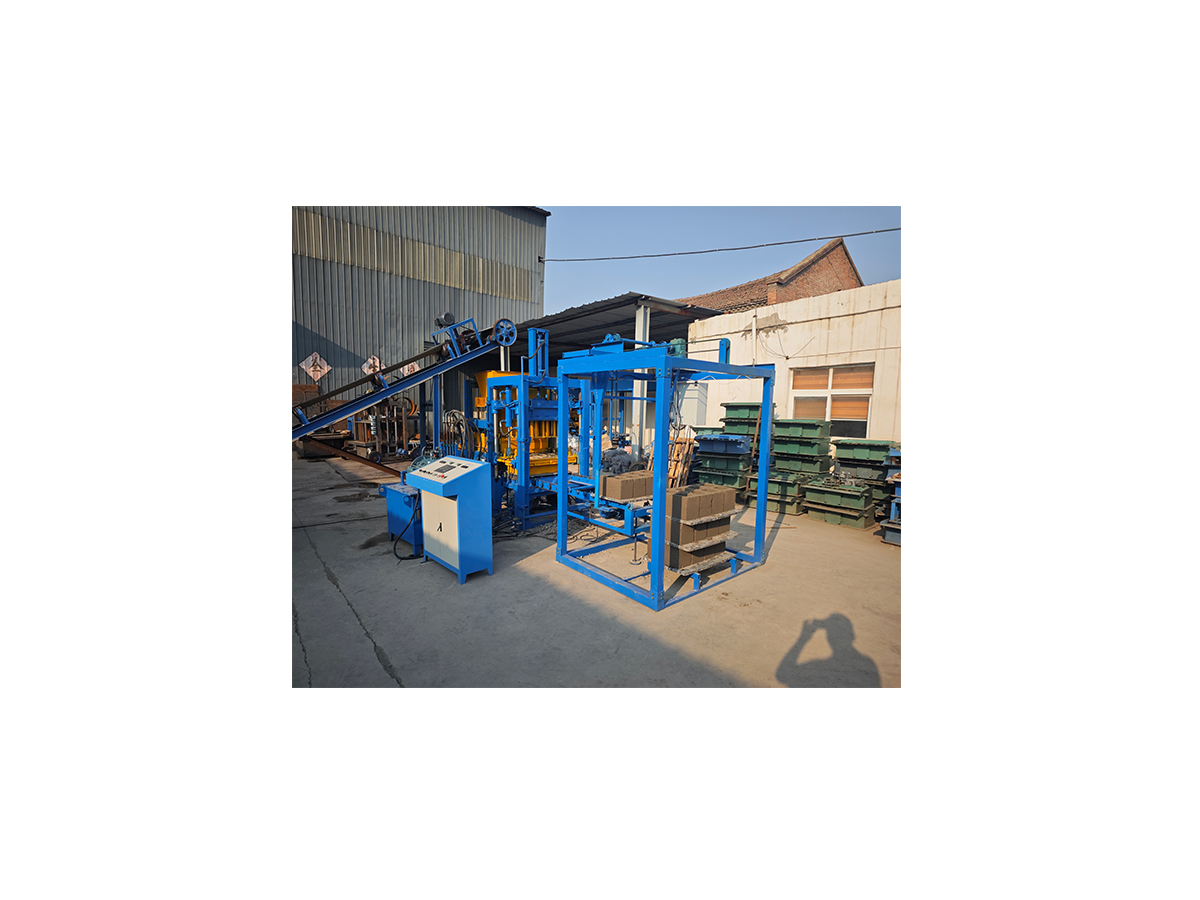

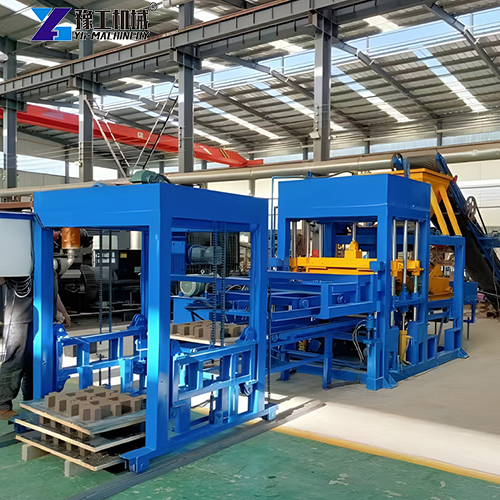
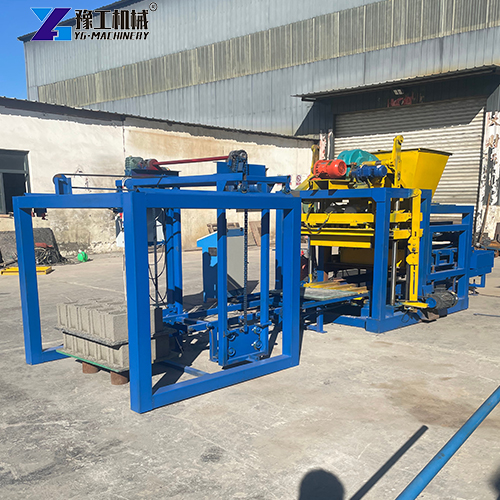
automatic brick machine is the core equipment in the modern building material production industry. It completes the whole process from raw material feeding to green brick forming via an automatic control system without manual operation. Nowadays, as environmental protection regulations grow stricter and labor costs keep rising, it is gradually replacing traditional brick-making equipment and becoming the top pick for small and medium brick manufacturers and individual investors.
Among all types of brick-making equipment, the technical routes of brick manufacturing machines are also constantly upgrading. From early simple mechanical compression to the coexistence of three mainstream forming technologies — pneumatic, vibration, and hydraulic, brick-making equipment has achieved a qualitative leap in automation level and finished brick quality.
Parameters of YG4-15 Brick Manufacturing Machine
Before diving deep into various brick-making technologies, take the YG4-15 model as an example to learn what performance indicators a high-quality automatic brick machine should have:
| Parameter Item | Specification |
| Model | YG4-15 |
| Total Power | 27.2KW |
| Forming Cycle | 15 seconds |
| Output Per Mold | 4–7 bricks |
| Daily Output | 8,000–10,000 bricks |
| Forming Method | Hydraulic Forming |
| Rated Pressure | 16MPa |
| Transmission Mode | Vibration Transmission |
| Overall Dimension | 5900×2200×2400mm |
| Equipment Weight | 2100KG |
It can be seen from the above parameters that the YG4-15 features a fast 15-second forming cycle and a maximum daily output of 10,000 bricks, which fully meets the production demands of small and medium-sized brick plants. The 16MPa rated pressure paired with hydraulic forming is the key to guaranteeing the strength of finished bricks.
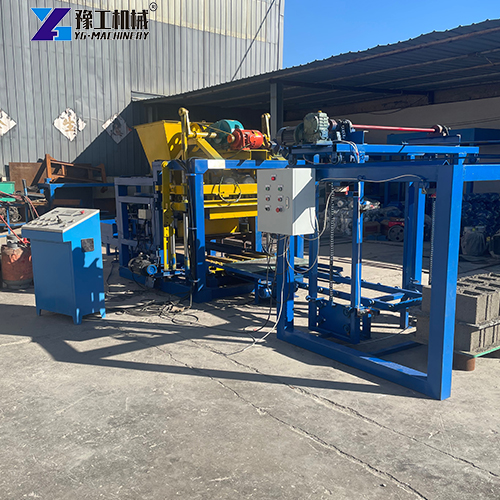
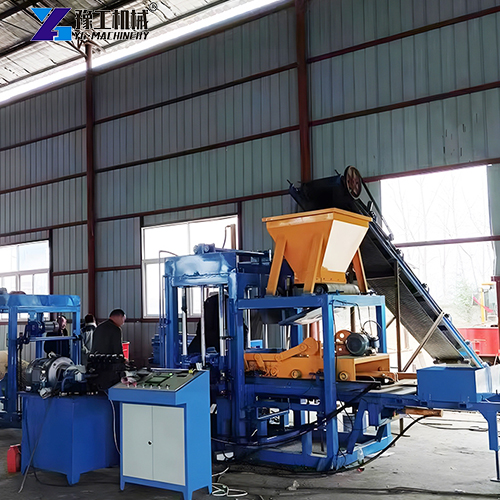
Non-fired Bricks Vs Fired Bricks: Why Fully Automatic Hydraulic Non-fired Brick Machines Are Dominating the Market
Traditional fired bricks require clay to be baked in high-temperature kilns, consuming massive coal resources and releasing large volumes of carbon dioxide. In contrast, non-fired bricks are made from fly ash, stone powder, sand, gravel, cement, and other raw materials, directly shaped under high-pressure compression.
The core strengths of non-fired bricks are as follows:
- Eco-friendly & energy-saving: No high-temperature sintering needed, energy consumption greatly cut and carbon emissions reduced by over 70%;
- Higher strength: Standard traditional clay-fired bricks range from grade 75 to 100, while non-fired bricks can be manufactured strictly above grade 100, with a maximum compressive strength of 35MPa;
- Reuse solid waste: Industrial residues including fly ash, mineral slag and boiler slag can be recycled to produce construction materials.
Thanks to these advantages, the automatic brick machine with hydraulic forming technology is gaining soaring popularity in the market. Statistics show the global market size of non-fired brick machines hit 1.78 billion US dollars in 2025, with China ranking first worldwide at 560 million US dollars.
Pneumatic Forming Vs Hydraulic Forming Vs Vibration Forming: Which Automatic Brick Machine Works Best for High-Strength Load-Bearing Bricks?
Commercially available automatic brick machines can be sorted into three categories by forming principle: pneumatic brick machines, vibration brick machines, and hydraulic brick machines. Each has unique features and applicable scenarios:
- Pneumatic forming: Simple structure and low cost, yet unstable pressure and low output. It is being phased out and is only suitable for small workshops or temporary construction sites at present.
- Vibration forming: Raw materials take shape through combined high-frequency vibration and compression, offering decent production efficiency. However, machines with vibration forming mainly produce cement concrete products, and the compactness of bricks fails to reach ideal standards.
- Hydraulic forming: Stable hydraulic systems provide adjustable forming pressure (usually 15–30MPa), delivering evenly compacted finished products. Hydraulic brick machines can generate up to 200 tons of compression force, producing dense, high-strength bricks with a low breakage rate during transportation.
The conclusion is clear: if you need to produce high-strength load-bearing bricks, an automatic brick machine equipped with hydraulic forming is your optimal choice. Hydraulic forming enables repeated compression and air exhaust to expel tiny air bubbles inside green bricks, preventing surface peeling of bricks in later use.
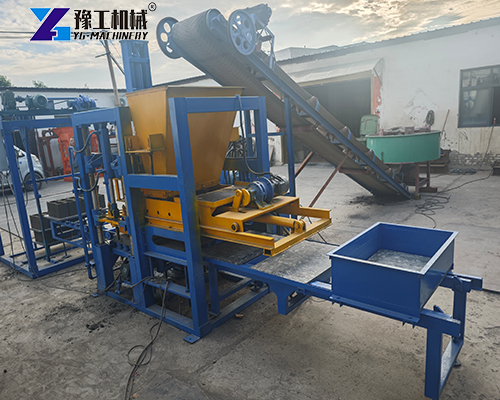
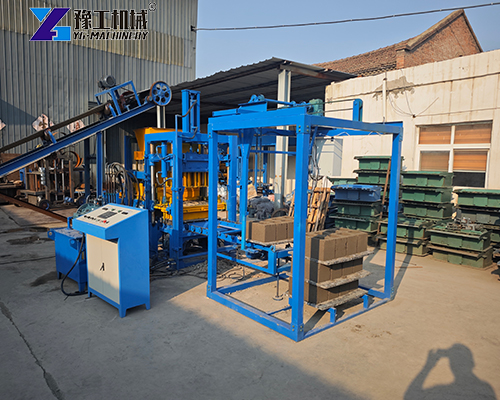
Advantages of YG Automatic Brick Machine
As a brick making equipment adopting hydraulic forming technology, the YG series boasts the following prominent strengths:
- Powerful forming pressure & superior brick quality: The YG4-15 delivers a rated pressure of 16MPa. Supported by steady hydraulic output, raw materials are fully compacted to make dense, high-strength finished bricks. Compared with traditional vibration forming, hydraulic forming creates bricks with far more uniform compactness.
- High automation to cut labor costs: Fully automatic operations cover automatic feeding, automatic compression, and automatic brick ejection, drastically lowering labor intensity. A single machine can finish work that once required multiple workers.
- Short forming cycle & impressive output: With a 15-second forming cycle and 4–7 bricks per mold, its daily output reaches 8,000–10,000 bricks, satisfying production needs of most brick factories.
- Stable and long-lasting equipment: The whole machine weighs 2100KG with a robust structure. Matched with a hydraulic system, the vibration transmission mode ensures smooth and reliable operation.
How to Pick the Right Brick Machine Molds?
Molds are the most vulnerable parts among brick maker machine for sale, and their quality directly determines the appearance and strength of finished bricks. Keep these key points in mind when selecting molds:
- Match mold structure with brick types: Simple integrated mold boxes work for solid bricks; complex molds with core rods are required for perforated or hollow bricks to ensure smooth core pulling and easy cleaning; road bricks and decorative bricks demand molds with precisely carved cavities.
- Check material grade and service life: Confirm the steel grade, heat treatment process, and service life of molds. Premium molds can generally produce 500,000 to 1,000,000 bricks. Avoid overly hard molds as they tend to turn brittle and crack easily.
- Prioritize quick mold change function: If your production line manufactures multiple brick specifications, choose machines supporting fast mold swapping to fulfill small-batch orders of diverse products.
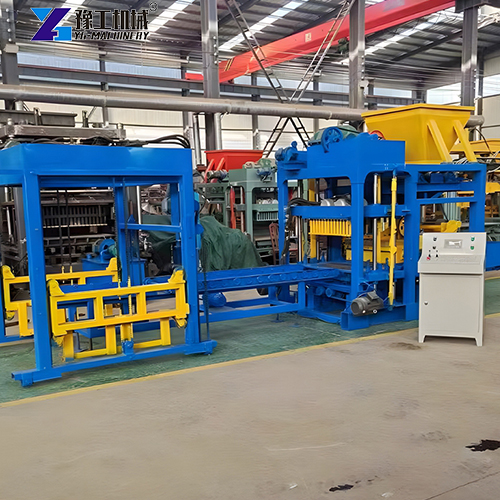
Choose YG
Whether you are a new investor entering the brick-making industry or planning to upgrade your existing production line, selecting a suitable automatic brick machine is critical. The YG brand accumulates abundant technical expertise and manufacturing experience in the field of brick manufacturing machines. Featuring a stable hydraulic forming system, a 15-second fast forming cycle, and maximum daily output of 10,000 bricks, the YG4-15 has helped countless clients realize efficient and eco-friendly brick production.
If you are searching for a reliable brick maker machine for sale or interested in the YG4-15 model, feel free to contact the YG team anytime. We will offer professional equipment selection advice and full after-sales service support based on your raw material properties, target output, and budget.