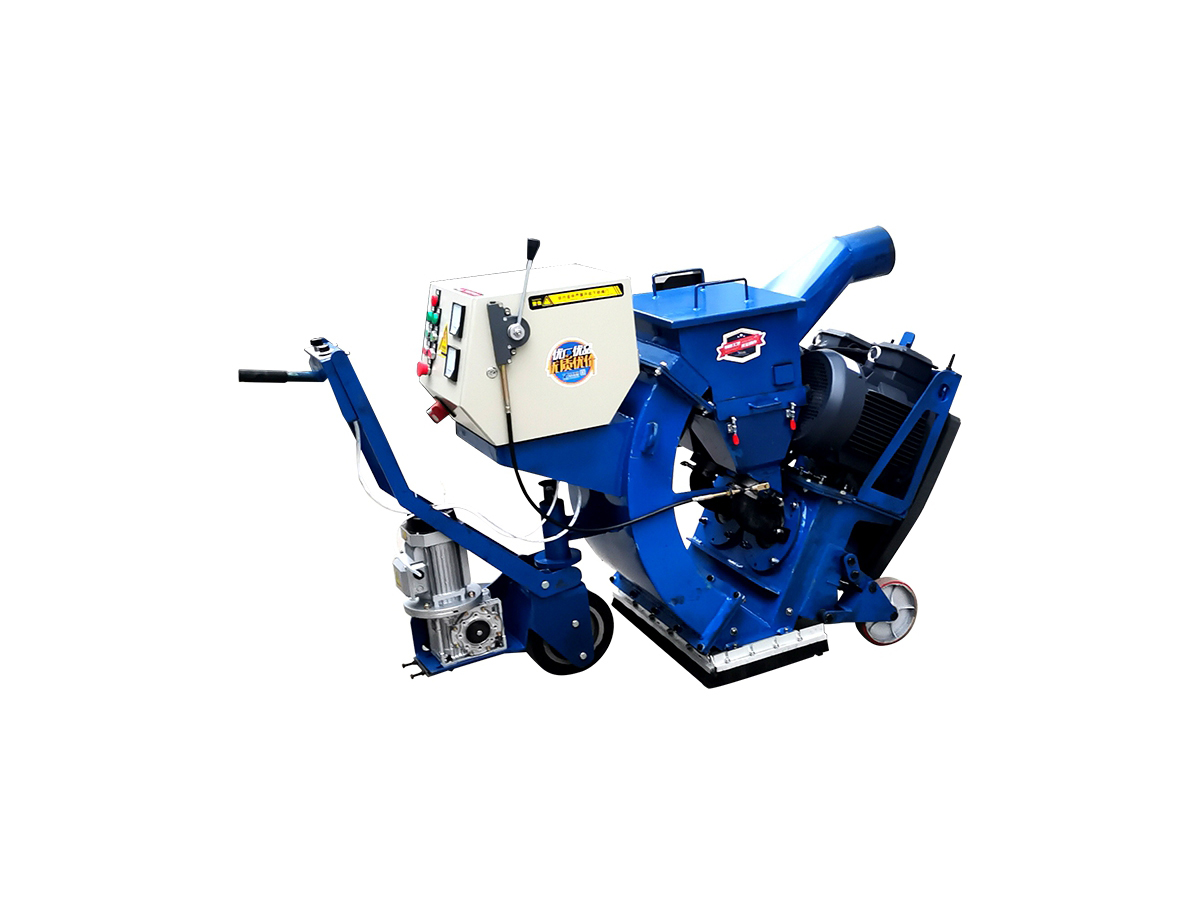

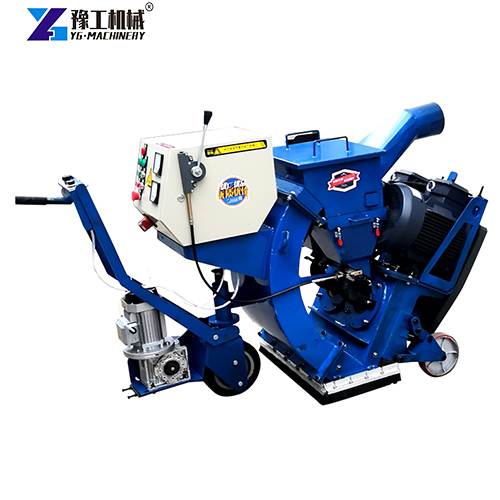
From removing rubber from busy airport runways to roughening bridge decks for waterproofing; from preparing epoxy floors in underground garages to SA 2.5 rust removal on steel bridges – one machine can handle all these challenges: the bead blaster for concrete floors. It is not just a simple grinder, but an integrated surface preparation system that combines cleaning, texturing, recycling, and dust collection. Whether you are dealing with laitance on fresh concrete, old road markings, or restoring skid resistance on asphalt, this floor shot blasting machine can easily adapt to different conditions by changing steel shot size and adjusting blast speed. Its excellent adaptability and stable performance make it an indispensable “all-rounder” in municipal maintenance, industrial construction, and transportation infrastructure.
What is a Bead Blaster for Concrete Floors?
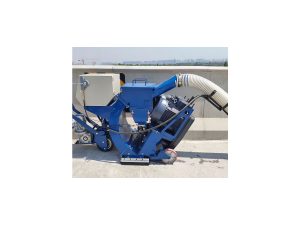
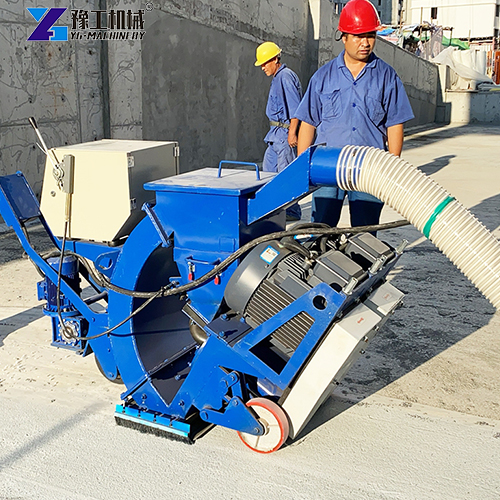
A bead blaster for concrete floors generally refers to a floor shot blasting machine used for cleaning, roughening, profiling, and coating removal on concrete floors. In practical industrial applications, the equipment uses metal abrasives such as steel shots, which are propelled by a high-speed rotating blast wheel onto the concrete surface, causing laitance, old coatings, markings, dirt, and contaminants to impact and fall off. Compared with manual grinding or chemical cleaning, shot blasting can create a relatively uniform surface texture, providing a good bonding base for epoxy flooring, waterproofing layers, polyurethane coatings, and other repair materials. Shot blasting also recovers abrasive and dust through a dust collection system, reducing dust during construction. The throwing, recycling, and dust separation of steel shots are typical working processes of modern concrete surface preparation equipment.
Shot Blasting Machine for Concrete Parameters
| Model | YG-270(Single) | YG-550/600(Double) | YG-850(Double) | |
| Shot Blasting Wheel Diameter | 200mm | |||
| Working width | 270 mm | 550/600 mm | 800 mm | |
| Walking speed | 0.5~20 m/min | 0.5~33 m/min | ||
| Concrete surface cleaning efficiency | ≥180 m2/h | ≥400 m2/h | ≥600 m2/h | |
| Steel plate surface cleaning efficiency | 15-25 m2/h | 75-100 m2/h | 100-160 m2/h | |
| Dust connection pipe diameter | 120 mm | 150 mm | ||
| Suggest the diameter of steel balls | 1.2-1.5 mm | 1.5-1.8 mm | ||
| Steel pill consumption | 10 g/m2 | |||
| Supporting dust collector | Seven-core automatic backflush vacuum cleaner | Eight-core automatic backflush vacuum cleaner | ||
| Shot wheel motor | Power consumption | 11 kW | 11*2 kW | 15*2 kW |
| Input Current | ≤ 15 A | ≤ 22*2 A | ≤ 28*2 A | |
| Walking motor | Power consumption | 0.5 kW | 1.5 kW | |
| Input Current | 1 A | 3 A | ||
| Size (mm) | 1000*300*1100 | 1950*720/775*1400 | 1950*1020*1550 | |
| Weight | 150 kg | 570 kg | 700kg | |
| Power connection requirements | 400V, 50Hz, 100A, CEE socket | |||
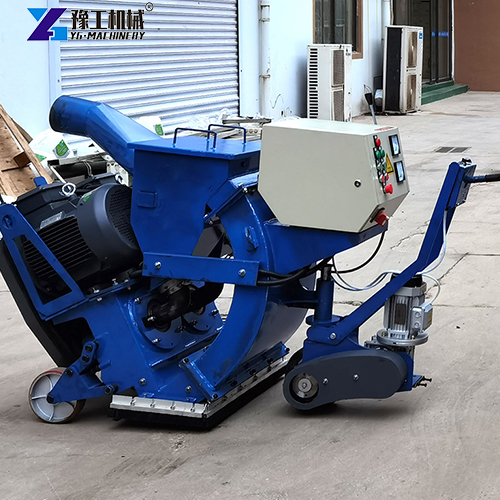
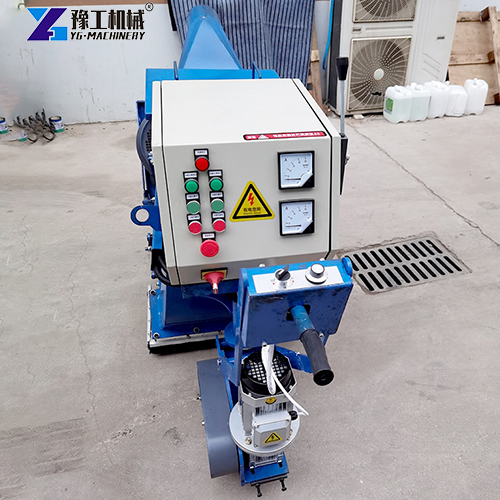
How a Concrete Floor Bead Blaster Works
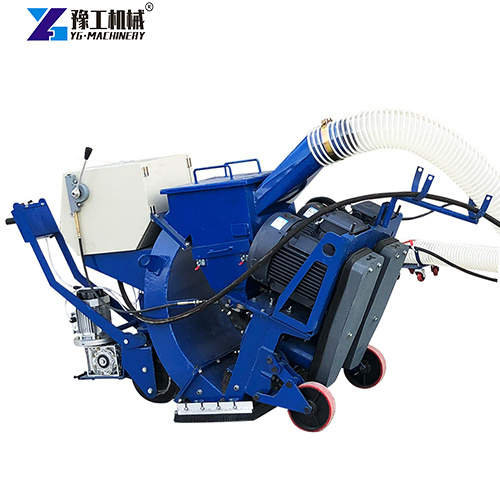
A complete floor shot blasting machine usually consists of a blast unit and an industrial dust collector. During operation, steel shots circulate within a closed blast chamber. The process is as follows:
- Abrasive enters the blast wheel – Steel shots enter the blast wheel through the hopper and feeding system. The blast motor drives the wheel to spin at high speed, and centrifugal force gives the shots high velocity.
- Steel shots impact the working surface – High-speed shots are propelled at a set angle onto concrete, steel, asphalt, or other surfaces. The impact can:
- Remove laitance and loose layers from concrete;
- Clean dust, oil, and attached impurities;
- Remove old coatings, road markings, and rubber residue from runways;
- Increase surface roughness and friction coefficient;
- Improve adhesion for subsequent waterproofing, coatings, or repair materials.
The blast wheel accelerates abrasive by centrifugal force and is the core component of the concrete shot blasting machine. After the shots impact the concrete, they create a uniform mechanical texture and peel off some contaminants and loose material.
- Recycling reusable steel shots – The shots, dust, and removed debris bounce back and enter the internal recovery channel. Through a separation system, heavier and properly sized shots return to the hopper for reuse, while dust and light impurities are carried through the suction pipe into the dust collector.
- Dust collector filters dust – The supporting dust collector consists of a fan, air compressor, filtration system, and dust storage. Strong airflow removes dust and impurities during operation and separates them through filter elements. An automatic backflush system cleans the filter surfaces to maintain suction efficiency.
Therefore, the combination of a shot blasting machine and a dust collector achieves nearly dust-free operation, making it especially suitable for factories, warehouses, bridge decks, airports, and other areas with strict environmental requirements.
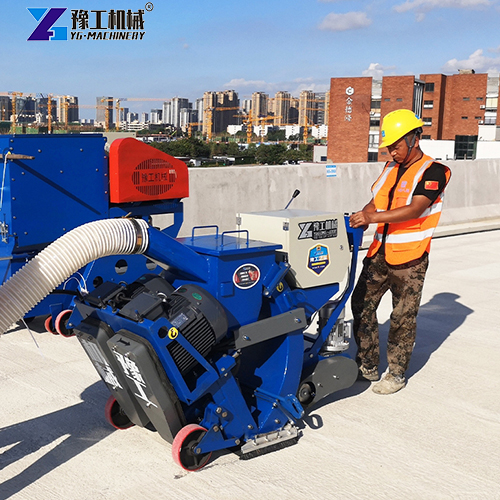
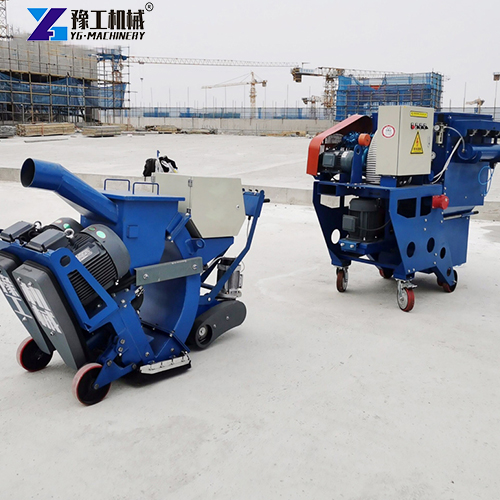
Main Components of a Shot Blasting Machine for Concrete
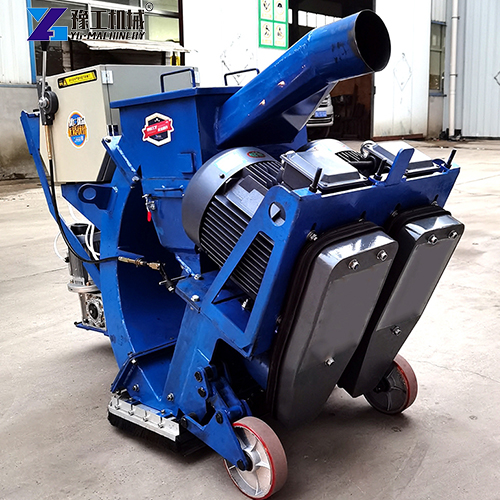
A professional shot blasting machine for concrete mainly includes the following components:
Main unit:
- Blast motor;
- Blast wheel;
- Control cage (directional sleeve);
- Electrical control box;
- Drive motor;
- Hopper and feeding system;
- Blast chamber and wear plates;
- Abrasive recovery and separation system.
Among them, the blast wheel determines the throwing efficiency, and the control cage directs the direction and coverage of the abrasive. Top and side guard plates provide the main wear protection for the internal structure.
Supporting dust collector:
- Fan;
- Air compressor;
- Filter elements;
- Automatic backflush system;
- Dust storage tank;
- Suction pipes.
The airflow, filtration accuracy, and filter maintenance of the dust collector directly affect the cleanliness of the operation. It is recommended to choose a matching 7-core or 8-core automatic backflush vacuum cleaner based on the shot blasting model, suction pipe diameter, and working environment.
What Are the Typical Applications of a Floor Shot Blasting Machine?
1. Concrete floor treatment
Before applying epoxy, polyurethane, waterproof coatings, or other overlays, concrete floors usually need removal of laitance, dust, old coatings, and loose layers. Shot blasting creates a uniformly rough base that improves mechanical interlock between new materials and the concrete. Suitable places include: industrial plants; warehouses and logistics centers; underground garages; airport buildings; commercial buildings; concrete repair works; and old floor renovation projects. For thinner old coatings, the shot blasting machine generally works well; if the coating is too thick or highly elastic, it may be necessary to first mill, scrape, or grind it off, then use the shot blasting machine for base cleaning.
2. Bridge deck roughening for waterproofing
Before waterproofing a bridge deck, it is necessary to remove laitance, impurities, and loose materials from the concrete surface and increase the roughness of the substrate. The shot blasting machine can treat large areas of bridge deck in a short time, creating a stable base for the subsequent waterproofing layer. Depending on the site area, you can choose: YG-270 – suitable for corners, narrow areas, and small jobs; YG-550/600 – suitable for medium-sized bridge and road work; YG-850 – suitable for large bridge decks, factory floors, and roads.
3. Municipal roads and paved surfaces
Shot blasting equipment can be used to remove road markings, old coatings, and surface contaminants, while increasing road roughness and friction coefficient. For pavements that need skid resistance restored, shot blasting removes surface pollutants and brings back some texture.
4. Airport runway maintenance
After long-term use, concrete and asphalt airport runways may have rubber deposits, old markings, and other contaminants. Concrete floor shot blasting equipment can be used to: remove tire rubber and surface deposits; remove old markings; restore runway surface texture; improve runway friction coefficient; and provide a clean base for runway re-routing projects.
5. Asphalt pavement treatment
In asphalt pavement work, the shot blasting machine can clean surface deposits, improve roughness, and increase skid resistance. Because asphalt is flexible, operation should adjust travel speed, shot size, and blast intensity according to asphalt strength, surface condition, and target roughness.
6. Steel plate and metal surface cleaning
Besides concrete, the shot blasting machine can also be used for rust removal and pre-treatment of steel plates. The surface preparation grade can reach SA 2.5 to SA 3, suitable for bridge components, steel structures, pedestrian overpasses, and other metal surfaces. For steel work, reference speeds are: SA 2.5 – about 4 m/min; SA 3 – about 3 m/min; SA 2.5 yields about 100–180 m² per hour. Actual results depend on rust level, shot size, machine power, and travel speed.
Steel Shot Selection and Wear Parts Maintenance
Steel shot selection
It is recommended to choose steel shots according to the work:
- Light concrete cleaning: use smaller shot sizes;
- Concrete roughening and old coating removal: use shots in the 1.2–1.8 mm range;
- Steel rust removal: adjust shot size based on rust level and target surface grade;
- Asphalt surface treatment: control blast intensity to avoid over-damaging the base.
The reference steel shot consumption is about 10 g/m², but actual consumption depends on base hardness, contamination level, shot recycling cycles, and dust separation efficiency.
Main wear parts
The main wear parts of the shot blasting machine include the control cage (directional sleeve), blast wheel, top guard plate, and side guard plates. Reference service life:
- Control cage and blast wheel: about 20,000 m²;
- Top and side guard plates: about 50,000 m².
These values are references; actual life depends on shot hardness, size, working base, and operation method. Regularly inspect blast wheel blades, control cage opening, plate thickness, and abrasive separation status, and replace parts when abnormal wear is found.
Speak with Our Product Manager
FAQs about Bead Blaster for Concrete Floors
Q1: What surface profile can a bead blaster for concrete floors achieve?
A1: It typically achieves a CSP 3–5 profile on concrete, depending on shot diameter, travel speed, and blast wheel speed. This grade fully meets the requirements for waterproofing membrane bonding and overlay adhesion.
Q2: Can a shot blasting machine for concrete handle both concrete and steel?
A2: Yes. For concrete cleaning, the YG-850 can reach 600 m²/h; for steel rust removal, it can achieve SA 2.5–SA 3 at 100–160 m²/h. Simply adjust the shot diameter (1.2–1.5mm for concrete, 1.5–1.8mm for steel) to match different substrates.
Q3: What is the steel shot consumption of a concrete floor bead blaster?
A3: Average consumption is about 10 g/m². For a 50,000 m² bridge deck project, considering wear and replenishment, about 2–3 tons of shots are needed.
Q4: Can this equipment really achieve dust-free operation?
A4: The supporting automatic backflush dust collector can capture over 99% of dust and debris. The closed-loop system effectively contains particles while recovering shot, making it suitable for indoor and environmentally sensitive job sites.
Q5: Which YG model should I choose for my project?
A5: For small indoor areas (warehouses, underground garages), the YG-270 single-wheel model (270mm wide, 150kg) is recommended for its maneuverability. For medium to large bridge and road projects, the YG-550/600 or YG-850 twin-wheel models offer higher efficiency with 400–600 m²/h throughput and wider working width.
YG Bead Blaster for Concrete Floors for Sale
YG professionally manufactures bead blasters for concrete floors, equipped with complete dust collection and recovery systems, designed for contractors who need high-quality surface preparation on bridge decks, airport runways, warehouse floors, and industrial floors. Whether you need a compact single-wheel unit for indoor renovation or a high-capacity twin-wheel model for large infrastructure projects, YG has a model to suit your needs. Welcome to contact us for detailed specifications, quotes, and technical support, and choose the shot blasting machine for concrete that best fits your project scale.