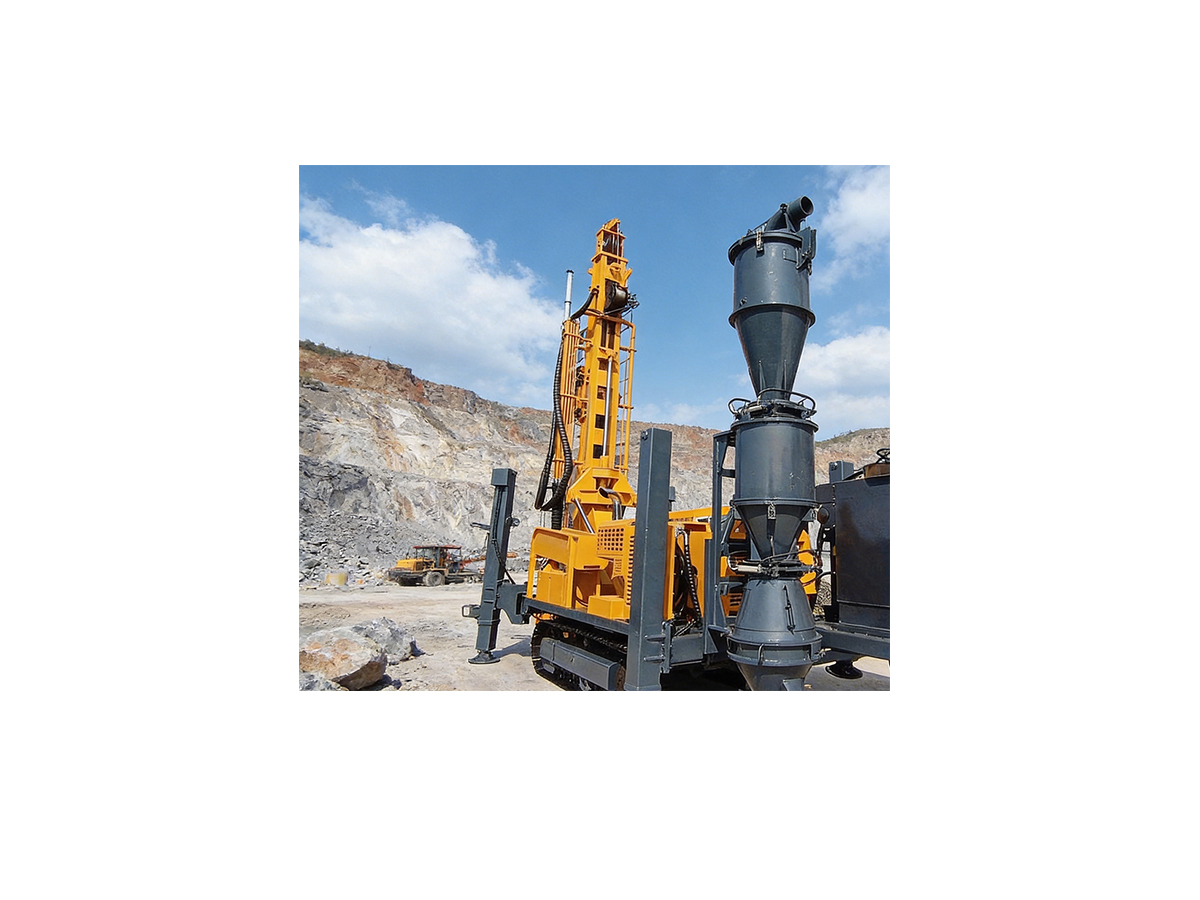

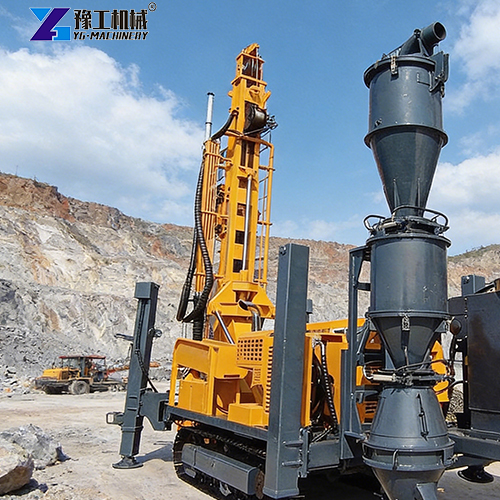
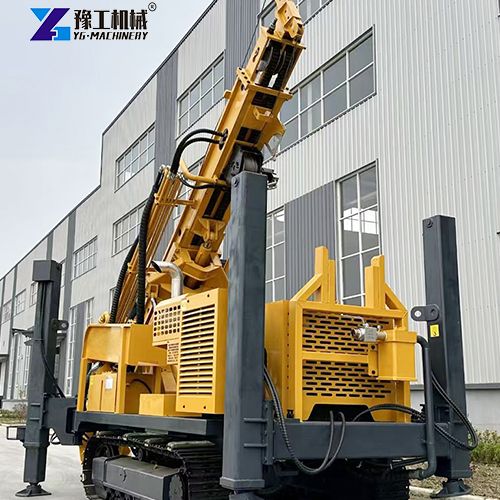
In geological exploration and mineral development, obtaining contamination-free rock samples efficiently has always been the core technical focus. Traditional positive circulation drilling often leads to mixed samples, which interferes with ore grade calculation. The launch of the reverse drilling machine has solved this problem with its unique dual-wall drill rod and airflow reverse circulation design. It not only greatly boosts drilling efficiency, but also delivers outstanding performance in sample purity and environmentally friendly construction. This article gives a full introduction to the working principle, core parameters, applicable scenarios, and purchasing tips of this modern drilling equipment.
RC Rigs for Sale Parameters
Different models of reverse drilling machines come with varied drilling capacities. Taking YGRC-400 and YGRC-500 from YG as examples, the key parameters are listed below:
| Parameter Item | YGRC-400 | YGRC-500 |
| Maximum Drilling Depth | 400 m | 500 m |
| Drilling Diameter | 115-305 mm | 115-305 mm |
| Working Air Pressure | 1.05-3 Mpa | 1.05-3 Mpa |
| Air Consumption | 16-42 m³/min | 16-42 m³/min |
| Drill Rod Length | 3 m | 3 m |
| Recommended Drill Rod Diameter | 89/108/127 mm | 89/108/127 mm |
| Maximum Rotary Torque | 4000-5700 Nm | 5000-8000 Nm |
| Lifting Force | 12 T | 15 T |
| Machine Weight | 7 T | 11 T |
| Penetration Rate | 10-25 m/h | 10-25 m/h |
Both models adopt top-drive hydraulic rotation and feeding systems, compatible with down-the-hole hammers or mud drilling to cope with loose layers, bedrock and various complex working conditions.
What is a Reverse Circulation Drill Rig?
Reverse Circulation Drill Rig (short for RC rig) is a professional geological and engineering drilling device that achieves high-efficiency drilling and precise sampling by altering the flow path of the circulating medium. Unlike conventional positive circulation drill rigs, which pump flushing fluid inside drill rods and discharge it through the gap between drill rods and borehole walls, the reverse circulation drill rig applies the dual-wall drill rod structure. High-pressure air or mud is delivered to the borehole bottom through the outer annular gap of the drill rod. Then, through air lifting or pump suction effect, the mixture carrying rock cuttings is rapidly pumped back to the ground via the inner tube of the drill rod.
This unique inner-tube return circulation structure completely avoids contact between rock cuttings and borehole walls. It prevents formation contamination and hole collapse, and enables ultra-fast collection of intact samples in loose, broken, and complicated strata. Therefore, it is widely used in rapid general surveys and exploration of mineral resources, as well as large-diameter pile foundation construction.
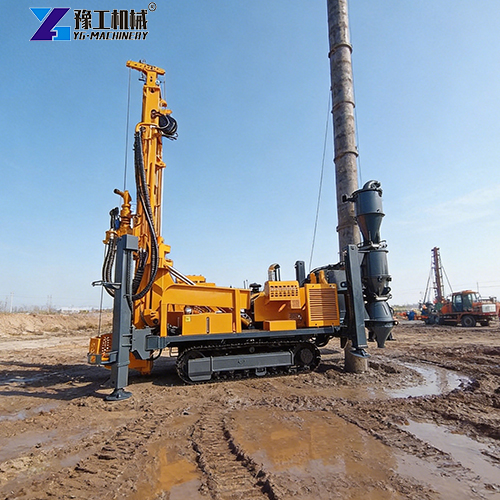
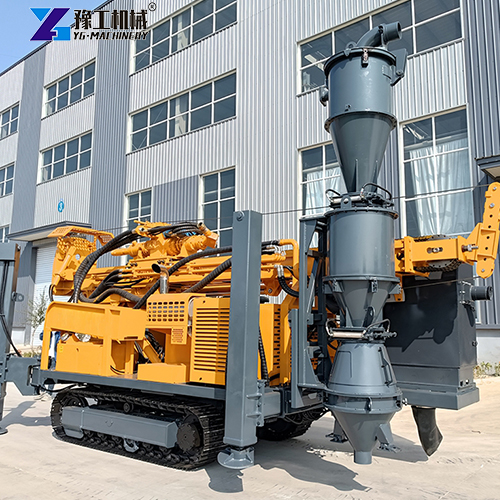
Why Reverse Circulation Sampling Guarantees Uncontaminated Rock Cores (Rock Samples)
This is the most core technical advantage of reverse circulation drilling equipment. In conventional drilling operations, rock cuttings rise along the annular gap between the outer drill rod and borehole wall, easily mixing with falling debris from upper strata or impurities in flushing fluid.
For reverse circulation devices, rock samples flow hermetically and at high speed inside the inner tube all the way to the ground cyclone separator, before being directly sealed into sample bags marked with depth and location. The whole process has no external contact, resulting in highly representative samples. It is especially ideal for delineating ore body boundaries and calculating accurate ore grades, which is the major reason why numerous geological teams prefer a reverse circulation drill rig.
Application Scenarios of Reverse Drilling Machine
Thanks to its high efficiency, clean sampling, and eco-friendly features, the reverse drilling machine is widely deployed in multiple sectors:
1. Mineral Exploration (Especially for Loose and Broken Strata)
- In deposits such as conglomerate gold ore, kaolin, and bauxite, rock formations have poor cementation. Core samples from traditional drilling tend to break apart, while reverse circulation drilling can obtain continuous, intact, and uncontaminated cutting profiles.
- The fast penetration rate of 10-25 m/h greatly shortens exploration cycles and cuts drilling cost per meter.
- The rock cutting recovery rate is nearly 100%. Samples can be sent directly to laboratories without secondary loss during core sorting, packing, and transportation.
2. Hydrogeological Survey and Water Well Drilling
- In pebble layers, weathered granite, and gravel aquifers, reverse circulation efficiently discharges large-sized rock cuttings to prevent drill jamming, with much higher well completion efficiency than standard rotary drilling.
- Foam or air can be used as circulating media to minimize damage to aquifers and ensure accurate pumping test results.
- It supports borehole diameters of 115-305 mm, meeting the caliber requirements for various groundwater monitoring wells and water supply wells.
3. Engineering Geological Investigation (Bridges, Tunnels, High-rise Buildings)
- In complex urban areas, reverse circulation equipment generates low noise and causes no mud pollution, suitable for construction in residential zones and protected areas.
- It quickly identifies bedrock burial depth and fault fracture zones, providing highly reliable data for pile foundation design.
- Equipped with a dust collector, it produces almost zero dust, meets environmental construction standards, and reduces complaints from surrounding residents.
4. Geological Disaster Control and Emergency Drilling
- In landslide masses and collapse accumulations, reverse circulation rigs rapidly drill through loose deposits to determine the depth of sliding surfaces and provide data for anchoring reinforcement projects.
- The crawler traveling design (2.5 km/h traveling speed, 21° climbing capacity) facilitates transportation in mountainous regions and rapid deployment on rugged disaster sites.
- During emergency rescue, it can drill holes continuously and collect cuttings non-stop to win precious time for decision-making.
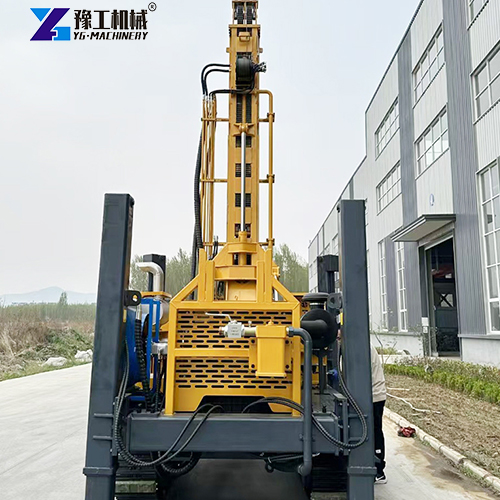
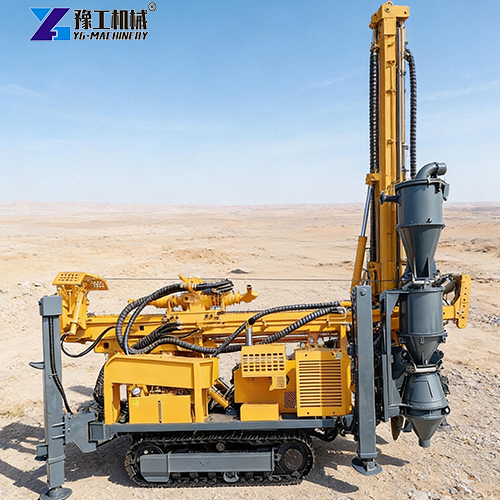
Key Factors to Consider When Purchasing a Reverse Drilling Machine
When selecting RC rigs for sale, evaluate the following factors comprehensively:
- Drilling Depth and Hole Diameter: Choose the correct model according to the project-designed depth (YG offers models covering 200~1200 meters).
- Geological Adaptability: Confirm the rig is fitted with appropriate medium & high-pressure DTH hammers and drill bits to match the hardness and abrasiveness of target formations.
- Equipment Stability and Protective Structure: Prioritize units with compensation cylinders on the mast for stable operation. Compensation sliding blocks protect drill rod threads and extend service life.
- Environmental Performance and Maintenance Ease: Models equipped with air pre-filters (removing over 90% of inlet dust) and special oil mist lubricators are eco-friendly and prolong the lifespan of engines and impact hammers.
- Operational Safety: Hydraulic wrench assemblies and drill rod elevators enable safer and faster rod connection and removal, lowering labor intensity.
FAQ about Reverse Circulation Drill Rig
Q: Can reverse circulation drilling equipment work in water-bearing formations?
A: Yes. Operators can switch between forward and reverse circulation modes to drain formation water first for dry cutting sampling. Mud or foam drilling can also be adopted to stabilize borehole walls.
Q: Which delivers more accurate results, samples from a reverse drilling machine or core drilling samples?
A: For ore grade evaluation, reverse circulation cuttings are highly representative and free of cross-contamination. It performs exceptionally well for thin veins and complex layered deposits, and its accuracy has been recognized by many mining companies.
Q: Are reliable RC rigs for sale available on the market?
A: Absolutely. YG supplies a full line of reverse circulation drill rigs ranging from YGRC-400 to YGRC-1200. All units pass strict quality inspection and come with comprehensive after-sales technical support.
Q: How to prevent sample flying loss and cross-contamination during dry sampling?
A:
- Cyclone: A high-efficiency cyclone separator matched with a reduction gearbox is mandatory to achieve centrifugal sedimentation of high-speed returning rock cuttings.
- Splitter: Use stepped or rotary splitters to automatically divide samples at ratios such as 1:4 or 1:8, reducing manual sampling errors and dust pollution.
Q: What is the service life of Dual-wall Drill Rods? Are they wearing parts?
A:
- Wear mechanism: The inner tube bears severe erosion from high-speed rock cuttings, classifying it as a high-consumption component. The outer tube mainly withstands torque and pulling force with a much longer service life.
- Service life: In ordinary medium-hard rock formations, the inner tube generally lasts around 1,000–3,000 meters of penetration. For highly abrasive rock like siliceous breccia, reinforced drill rods with thickened inner walls or tungsten carbide coatings are recommended.
Contact YG
As a professional manufacturer with years of R&D experience, YG’s products are exported worldwide. Whether you need a reverse circulation drill rig or full sets of supporting reverse circulation accessories (cyclone separators, dust collectors, foam pumps, etc.), we can provide customized solutions.
If you are looking for cost-effective RC rigs for sale, please get in touch with the YG team. We will offer model selection guidance, technical specifications, and full after-sales support to make your exploration projects efficient, eco-friendly, and hassle-free.