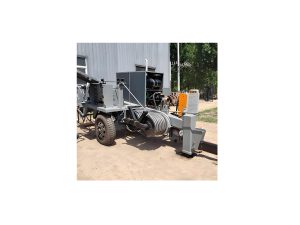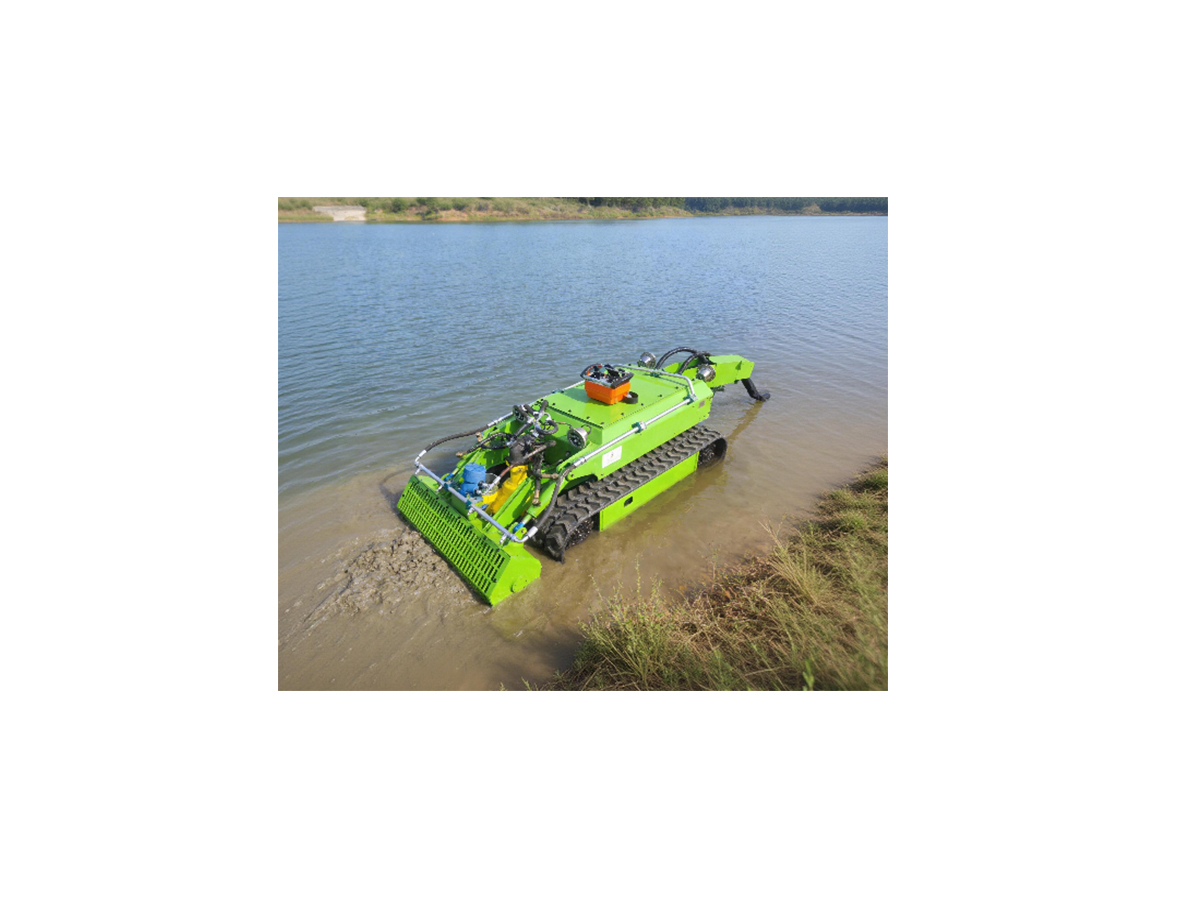

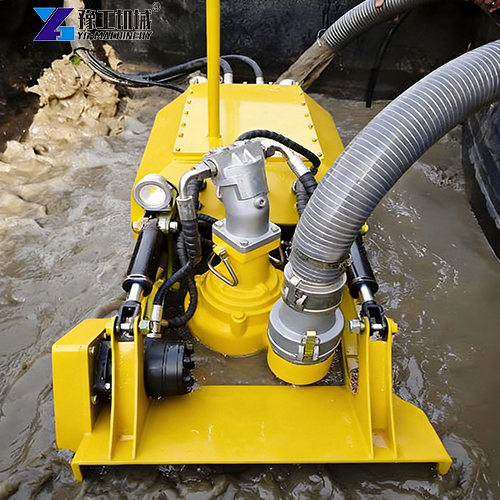
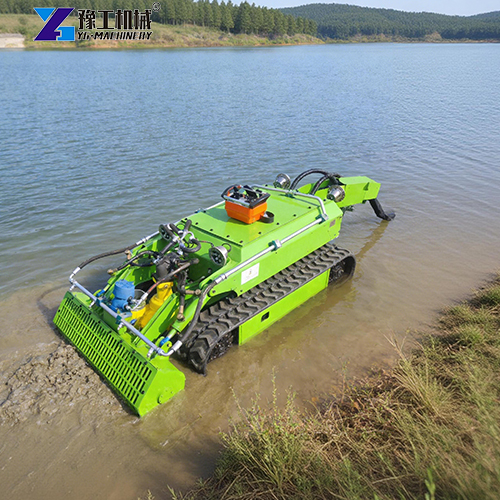
Chemical storage tanks, wastewater sedimentation ponds, industrial pipelines—cleaning the accumulated sludge inside these facilities has always been a pain point for the industry. Confined spaces, toxic gases, flammable and explosive media, and highly corrosive deposits make manual sludge removal an extremely high-risk operation. As a remote-controlled cleaning equipment designed specifically for industrial environments, an industrial sludge cleaning robot can remove sludge from tanks and ponds without stopping production, draining the contents, or putting personnel inside, while meeting strict safety standards such as explosion-proof, flameproof, and waterproof requirements.
Sludge Cleaning Machine Specifications
| Model | YG500 Electric | YG600 Electric | YG700 Electric | YG800 Electric | YG900 Electric | YG1200 Electric |
| Robot Dimensions | 1500×500×650 mm | 1500×600×650 mm | 1600×700×650 mm | 1600×850×700 mm | 1650×960×750 mm | 1900×1200×750 mm |
| Slurry Pump Model | 3E-100Z170 | 3E-100Z170 | 4E-250ZJ45 | 4E-250ZJ45 | 4E-250ZJ45 | 4C-200Z125 |
| Cleaning Width | 500 mm | 600 mm | 700 mm | 800 mm | 900 mm | 1200 mm |
| Track Speed | 3–15 m/min | 3–15 m/min | 3–15 m/min | 3–15 m/min | 3–15 m/min | 3–15 m/min |
| Robot Weight | — | — | — | — | — | 500 kg |
| Pump Inlet Size | 3 inch | 3 inch | 4 inch | 4 inch | 4 inch | 5 inch |
| Pump Flow Rate | 100 m³/h | 100 m³/h | 160 m³/h | 160 m³/h | 200 m³/h | 200 m³/h |
| Pump Head | 0–30 m | 0–30 m | 0–25 m | 0–25 m | 0–25 m | 0–25 m |
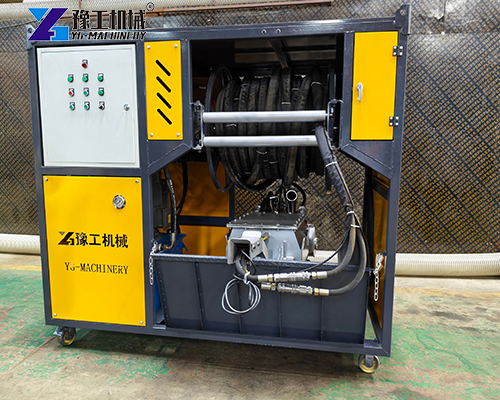
| Hydraulic Station Dimensions | 2200×1200×1700 mm | 2200×1200×1700 mm | 2200×1200×1700 mm | 2200×1200×1700 mm | 2200×1200×1700 mm | 2120×1240×1200 mm |
| Main Motor Power | 18 kW | 18 kW | 22 kW | 22 kW | 22 kW | 45 kW |
| Hydraulic System Pressure | 0–16 MPa | 0–16 MPa | 0–16 MPa | 0–16 MPa | 0–16 MPa | 0–16 MPa |
| Max Particle Size | 15 mm | 15 mm | 40 mm | 40 mm | 50 mm | 60 mm |
| Winch Speed | 0–10 r/min | 0–10 r/min | 0–10 r/min | 0–10 r/min | 0–10 r/min | 0–10 r/min |
| Standard Hydraulic Hose Length | 50 m | 50 m | 50 m | 50 m | 50 m | 50 m |
| Control System | Wireless Remote Control | Wireless Remote Control | Wireless Remote Control | Wireless Remote Control | Wireless Remote Control | Wireless Remote Control |
| Lighting System | 2× Underwater LED Lights | 2× Underwater LED Lights | 2× Underwater LED Lights | 2× Underwater LED Lights | 2× Underwater LED Lights | 2× Underwater LED Lights |
The “Three Mountains” of Traditional Industrial Dredging
Dredging operations in the industrial sector have long faced three major problems that restrict production efficiency and safety management:
- High safety risks remain – The concentrations of toxic gases like hydrogen sulfide and methane inside tanks and sedimentation ponds are extremely high, and entry by workers is a typical confined-space operation. Accidents resulting in poisoning and suffocation during manual tank cleaning are common worldwide, and in chemical settings there is also the risk of igniting flammable or explosive media.
- Huge shutdown costs – Traditional cleaning requires the tank to be drained, washed, and ventilated before work can begin. A single shutdown can cost hundreds of thousands or even millions of dollars. Industries such as petrochemicals and pharmaceuticals demand continuous production, and every day of downtime means massive financial loss.
- Increasing environmental compliance pressure – Environmental regulations on industrial wastewater discharge and sludge disposal are becoming stricter in many countries. Leakage and secondary pollution caused by crude cleaning methods can lead to heavy fines and legal liabilities.
The Four Core Capabilities of Industrial Sludge Cleaning Robot
Backed by four key technologies, the industrial sludge cleaning robot successfully overcomes the obstacles mentioned above. Its capabilities include:
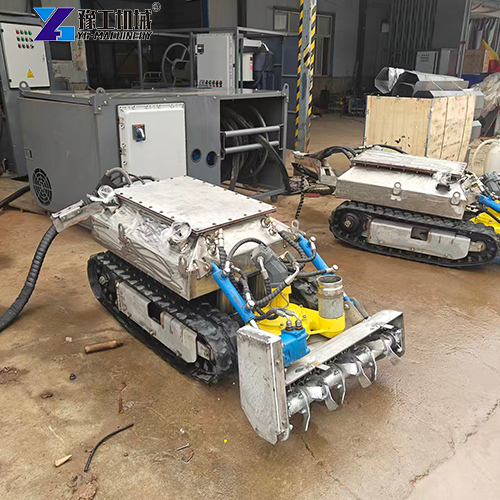
- Core Capability 1: Remote control and safety – The operator controls the robot’s movement, steering, and operation via a wireless remote from a ground station, completely eliminating the need for personnel to enter hazardous areas. At the same time, underwater cameras and lighting systems provide real-time video feedback for precise operation.
- Core Capability 2: Environment sensing and adaptive navigation – Equipped with ultrasonic sensors and vision modules, the robot can automatically avoid obstacles and plan paths even in turbid water, accurately locating dead corners to achieve full coverage cleaning.
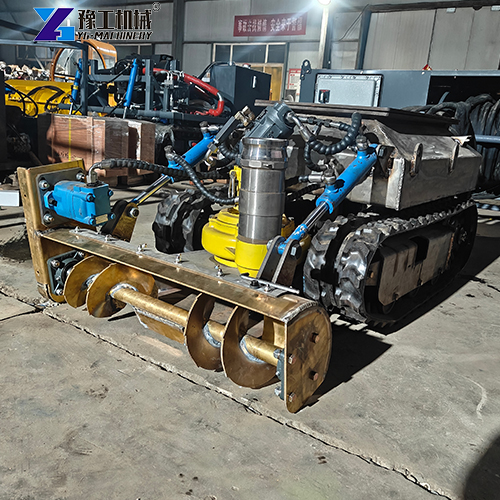
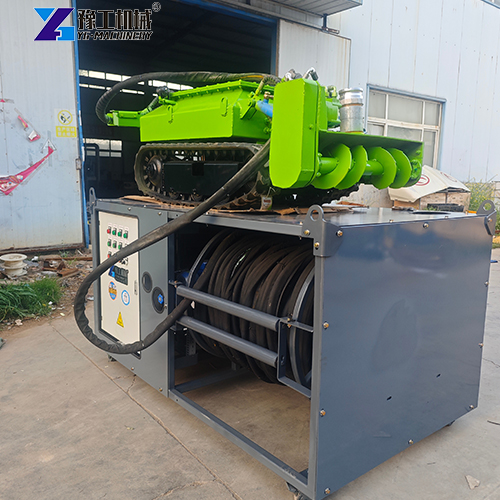
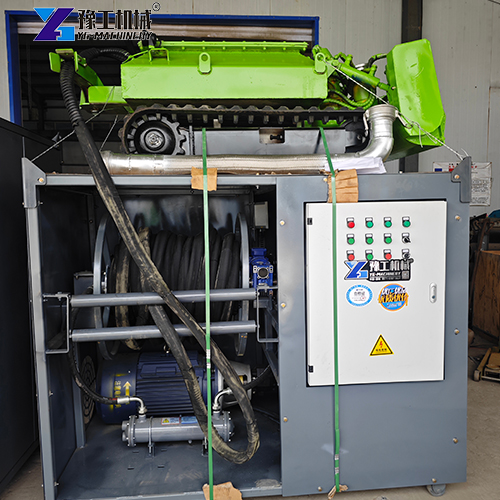
- Core Capability 3: Versatile tool combinations – The front end can be quickly fitted with different attachments such as agitation heads, auger crushers, and buckets. For soft mud, hardened sludge, or deposits containing large particles, it uses suction, pumping, or auger conveying as needed. A high-pressure water jet can also be added for enhanced stripping.
- Core Capability 4: Stable and continuous output system – The tracked chassis adapts to soft mud and sloping terrain. The hydraulic system maintains stable pressure within 16 MPa and can operate continuously for 8–12 hours, achieving a single-pass capacity of 100–200 m³/h—far exceeding that of a manual crew.
Together, these four capabilities make the industrial sludge cleaning robot an indispensable intelligent tool in the field of industrial maintenance.
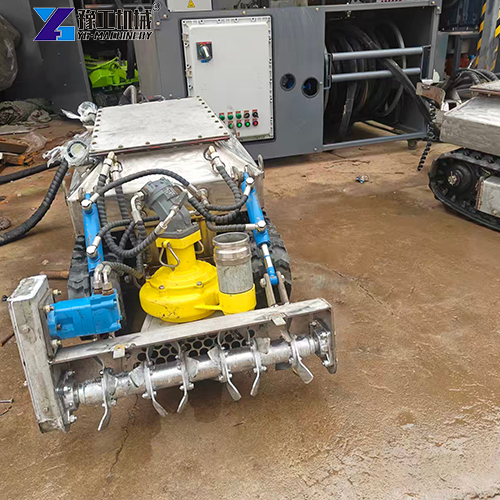
Application Scenarios of Industrial Sludge Cleaning Robot
- Chemical tank cleaning – Removes bottom sludge in explosive and flammable environments remotely. The sludge tank cleaning robot meets explosion-proof requirements and can operate without production shutdown or tank draining.
- Wastewater treatment plant maintenance – Regularly removes sediment from sedimentation tanks and aeration tanks to ensure equipment runs properly and treatment efficiency meets standards.
- Petrochemical pipeline unblocking – Effectively cleans oil sludge and scale from large-diameter industrial pipes. The sludge dredging robot has a tracked chassis that can travel stably inside pipelines.
- Mining tailings pond cleaning – Handles high-concentration mineral particle deposits; the YG1200 model’s 60 mm particle passage capacity copes well with coarse mineral waste.
Multidimensional Value Upgrade from Smart Dredging
Compared with traditional manual dredging, using the industrial sludge cleaning robot brings significant improvements across multiple dimensions:
- Efficiency improvement – One robot can process 100–200 m³ of sludge per hour. Cleaning a large tank takes only 3–5 days, whereas manual work would require over two weeks—overall time reduced by 70–80%, and it can operate 24 hours a day without interruption.
- Cost savings – Although the initial equipment investment is relatively high, the costs of manual labor, safety protection, equipment rental, and production stoppage are greatly reduced. For a 50,000 m³ crude oil tank, the annual comprehensive operating cost can be lowered by 40–60%, saving about US$80,000.
- Safety guarantee – Personnel have zero contact with toxic gases and flooding environments, bringing the accident rate close to zero. This also avoids compensation and downtime losses due to workplace injuries, significantly reducing enterprise risk management costs.
- Environmental compliance – The robot can be combined with post-treatment systems to achieve three-phase separation of mud, water, and oil. The discharged material’s moisture content is reduced to below 60%, facilitating subsequent resource recovery (e.g., fuel blending, building materials) or compliant landfill, meeting increasingly stringent environmental regulations.
- Extended maintenance intervals – Because the cleaning is thorough, very little residue remains at the tank bottom. The re-accumulation cycle extends from the original 1–2 months to over 6 months, reducing the annual frequency of dredging and delivering more significant long-term benefits.
Taken together, smart dredging is not just an upgrade in equipment—it represents a new philosophy in industrial maintenance, bringing sustainable competitiveness and economic benefits to enterprises.
Choose YG Sludge Dredging Robot
If your industrial project faces challenges such as tank cleaning, sedimentation pond dredging, or chemical pipeline unblocking, feel free to contact the YG team for a customized solution featuring the industrial sludge cleaning robot. We offer explosion-proof, electric- and diesel-powered configurations to meet the demanding requirements of various industries, including petrochemicals, pharmaceuticals, mining, and municipal wastewater treatment.