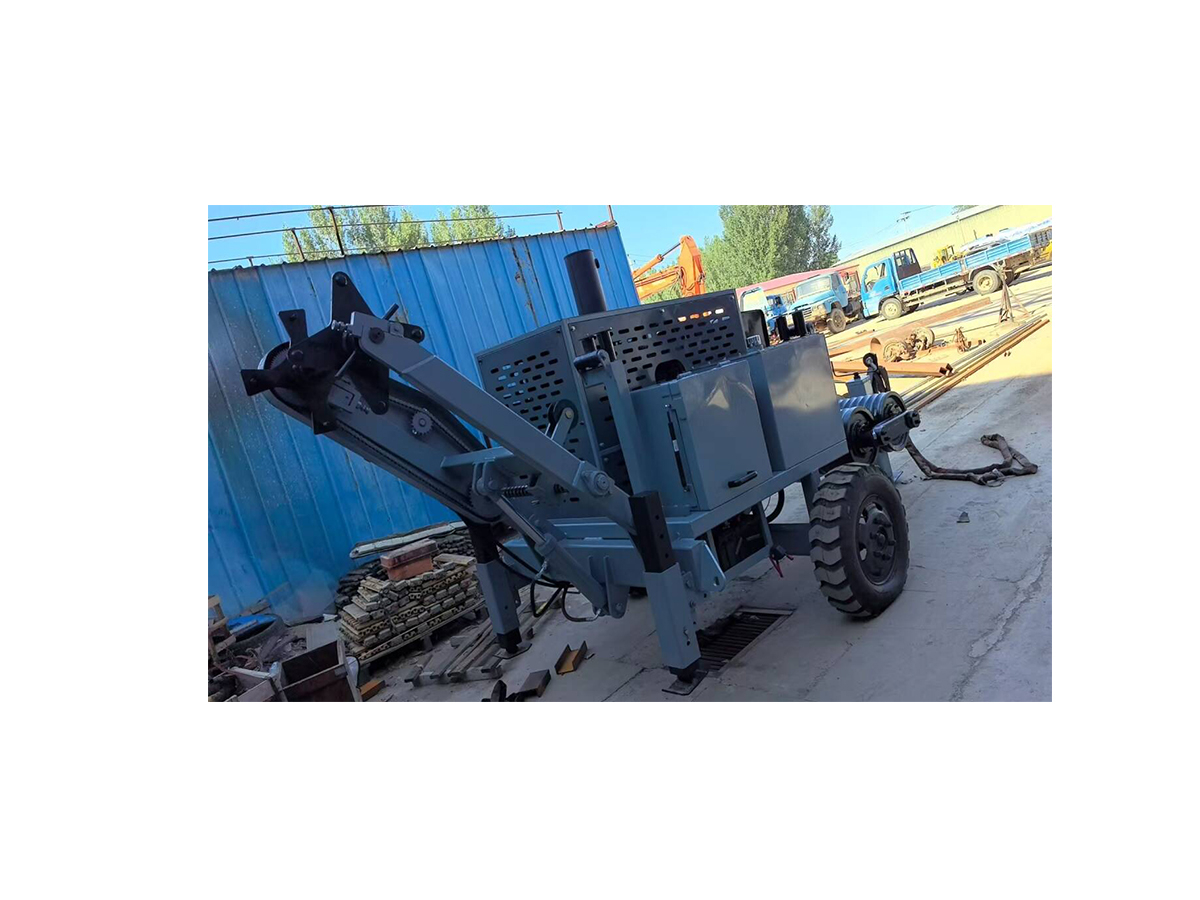

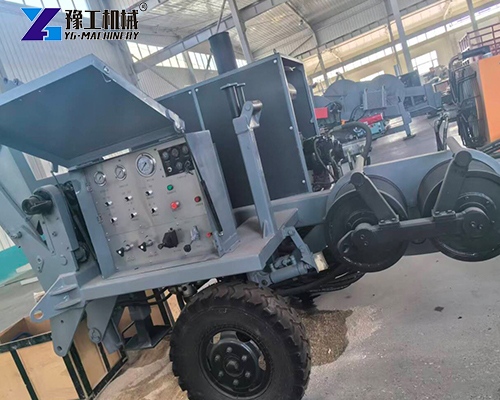
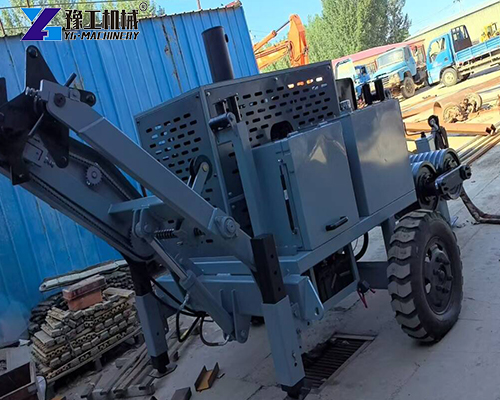
In power construction, communication wiring, municipal pipelines, and tunnel projects, the hydraulic cable puller machine is key equipment for cable laying. It uses a hydraulic system to drive the pulling wheel, pulling steel wire rope or cable stably and continuously into pipes, trenches, or cable trays. Compared with manual pulling and traditional winches, hydraulic cable puller machines have advantages such as large pulling force, controllable speed, strong continuous operation capability, and safer operation, especially suitable for long-distance and large-section cable construction.
Cable Pulling Machine Parameters
YG40
| Performance parameter | Max intermittent pulling force | 40KN |
| Max continuous pulling force | 30KN | |
| Corresponding speed | 2.5km/h | |
| Structure parameter | Puller wheel diameter | 400mm |
| Groove number | 7 | |
| Max diameter of applicable steel wire rope | 16mm | |
| Main configurations | Engine | Cummins |
| Main pump | German Rexroth | |
| Main motor speed reducer | German Rexroth |
YG60
| Performance parameter | max inMax intermittent pulling force | 60kn |
| Max continuous pulling force | 50kn | |
| Corresponding speed | 2.5km/h | |
| Max continuous pulling speed | 5km/h | |
| Corresponding pulling force | 25KN | |
| Structure parameter | Puller wheel diameter | 450mm |
| Groove number | 7 | |
| Max diameter of applicable wire coil: | 1400mm | |
| Main configurations | Engine | Cummins |
| Main pump | German Rexroth |
What is a Hydraulic Cable Puller Machine?
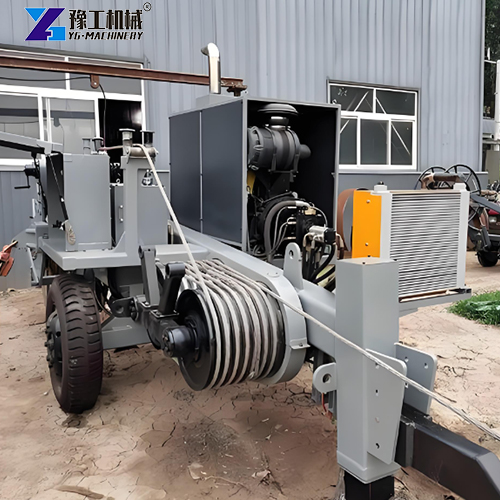
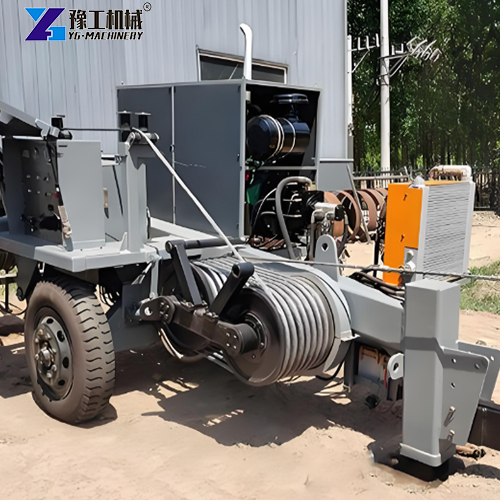
A hydraulic cable puller machine (hydraulic cable puller machine) is a special line construction equipment powered by an engine, which drives a multi-groove pulling wheel through a hydraulic transmission system to pull overhead conductors, OPGW/ADSS optical cables, and underground cables. Different from traditional mechanical winches, modern cable puller machines use a closed hydraulic transmission: a diesel engine drives a high-pressure hydraulic pump, pressurized oil drives a hydraulic motor through a control valve group, and then drives a multi-groove pulling wheel to rotate through a reducer, relying on friction between the steel wire rope and the wheel groove to achieve stable and controllable pulling.
This structure has advantages such as stepless speed regulation, stable pulling force, reliable overload protection, and stable long-distance pulling performance. It is indispensable core equipment in high-voltage transmission line erection, distribution network transformation, substation cable laying, and urban underground pipe gallery projects.
How does a Hydraulic Cable Puller Machine work?
The energy conversion chain of this equipment is clear and reliable:
- Power output: Cummins diesel engine drives Rexroth main hydraulic pump, converting fuel energy into high-pressure hydraulic oil flow;
- Hydraulic transmission: Pressure oil is delivered to the Rexroth axial piston hydraulic motor through the control valve group and high-pressure pipeline;
- Torque conversion: The hydraulic motor drives the Rexroth reducer, amplifying torque and reducing speed to match the pulling wheel working conditions;
- Pulling action: The reducer drives the multi-groove pulling wheel to rotate. The steel wire rope is wound multiple times on the wheel groove, and friction converts rotational torque into linear pulling force on the conductor;
- Control and protection: The operator adjusts the hydraulic pump displacement through the control handle to achieve stepless speed regulation; the relief valve and brake system limit the maximum pulling force and hold the load when stopped;
- Cooling and filtration: The oil cooler and return oil filter control the hydraulic oil temperature and contamination within the design range to ensure continuous operation in high-temperature environments.
It is this closed hydraulic drive system that gives the modern hydraulic cable pulling machine (hydraulic cable pulling machine) smooth, controllable, and durable construction characteristics.
Why Choose Hydraulic Cable Pulling Machine?
Compared with mechanical or pure electric winch equipment, the hydraulic cable pulling machine (hydraulic cable pulling machine) has significant engineering advantages:
- Large pulling force and compact structure: Hydraulic transmission can output large torque at low speed without a huge gearbox;
- Stepless speed regulation: The operator can continuously adjust the pulling speed according to terrain, conductor type, and sag requirements;
- Smooth start and stop: Avoids impact loads damaging conductor strands and tower fittings;
- Overload and stall protection: Hydraulic relief valve limits maximum pulling force to prevent rope breakage and equipment damage;
- All-weather operation: Diesel power combined with a branded engine and hydraulic pump set operates reliably even in remote mountainous areas without a power grid;
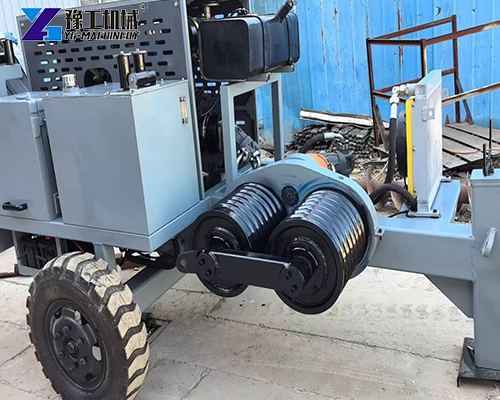
- Multi-groove pulling wheel design: Multiple wraps of steel wire rope provide enough friction without crushing the conductor.
For contractors engaged in construction from 10kV distribution lines to 500kV transmission lines, choosing the right cable pulling machine (cable pulling machine) directly affects stringing efficiency, construction safety, and conductor laying quality.
Speak with Our Product Manager
What are the Application Scenarios of Cable Puller Machine?
Typical application scenarios are as follows:
- High-voltage transmission line stringing: Pulling of steel-cored aluminum stranded wire and aluminum alloy conductors on 110kV to 500kV lines;
- Overhead ground wire erection: Controlled tension stringing of OPGW and ADSS optical fiber composite overhead ground wires;
- Distribution network construction and transformation: 10kV / 35kV line construction in cities and rural areas;
- Underground cable laying: Medium and high voltage cable pulling through pipes in substations, cable tunnels, and urban comprehensive pipe galleries;
- Old line capacity expansion and transformation: Replacing large-section conductors on existing towers;
- Railway electrification construction: Erection of contact wires and messenger wires.
In actual construction, the puller is usually used together with a hydraulic tensioner at both ends of the tension section, forming a “pull-tension” synchronous operation system to precisely control sag and avoid friction damage between conductor and ground.
Contact YG
If you are looking for a reliable hydraulic cable puller machine supplier, please tell YG your cable length, cross-section, pipeline conditions, pulling force requirements, and construction environment. We will provide you with professional selection advice and a quotation to help your power pulling project be completed efficiently and safely.