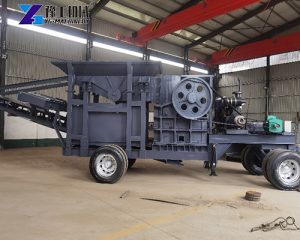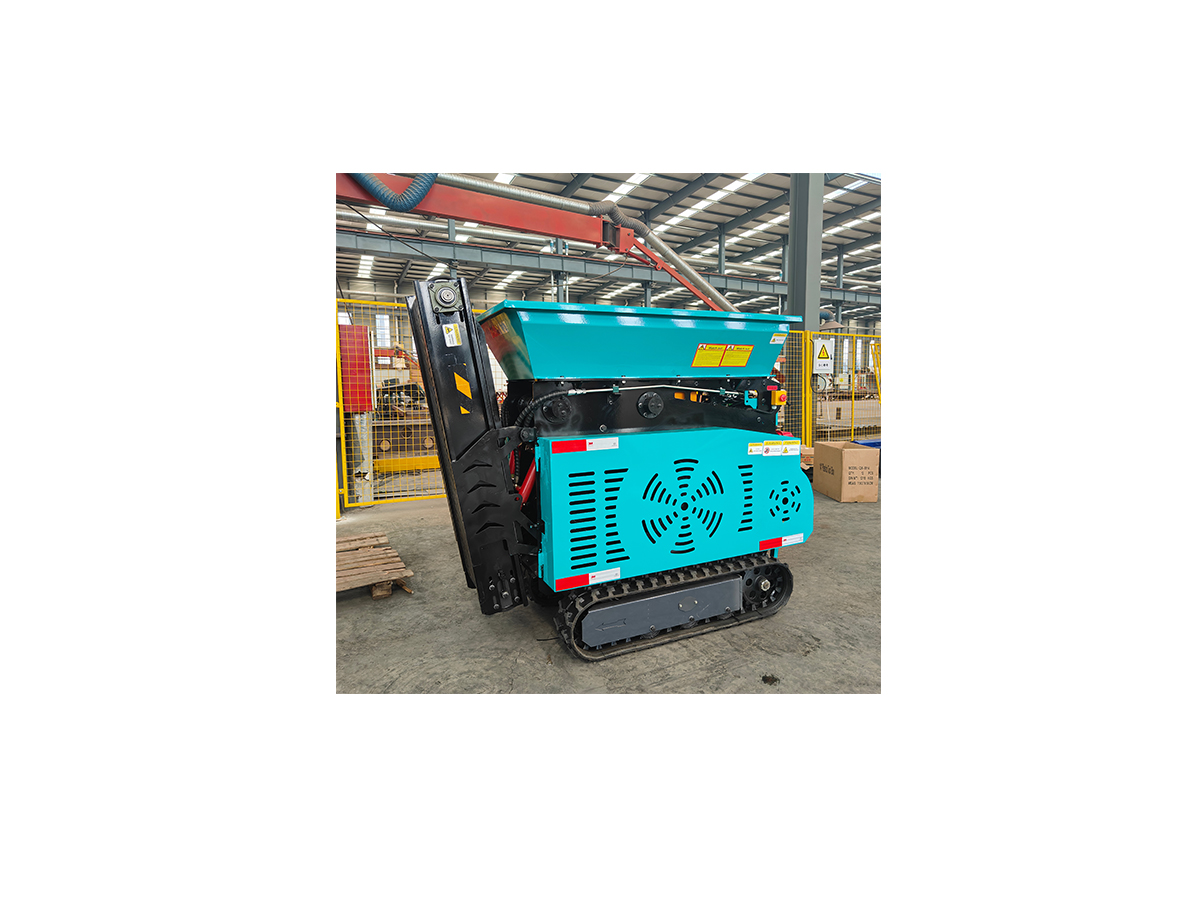

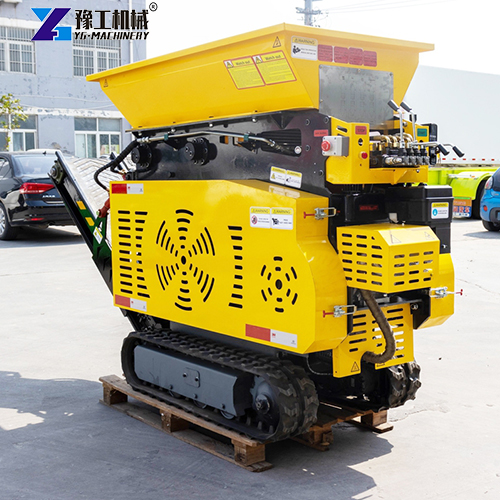
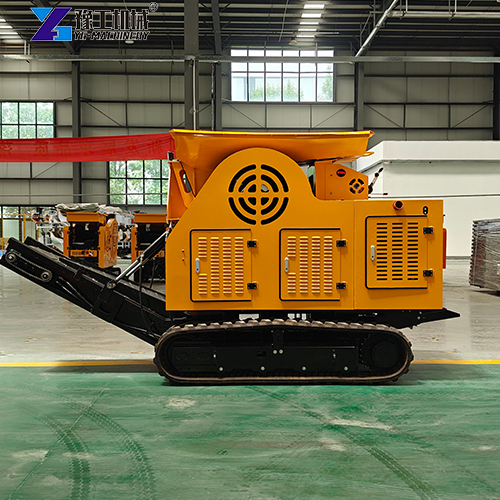
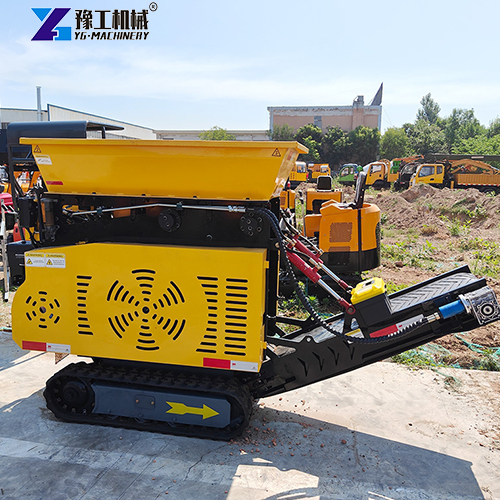
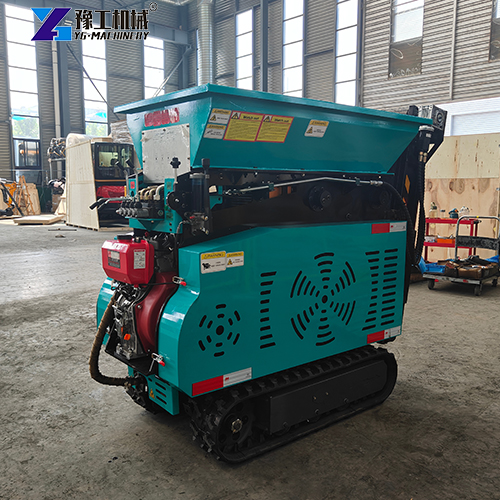
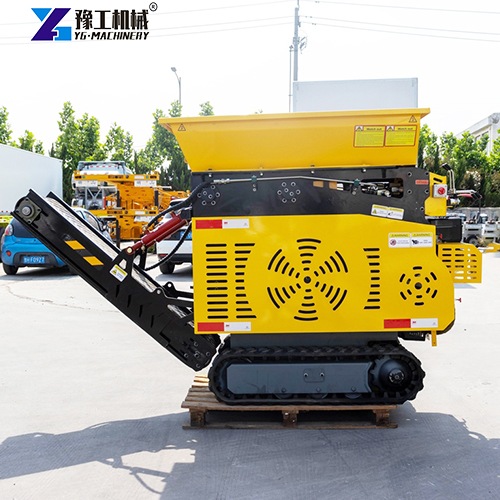
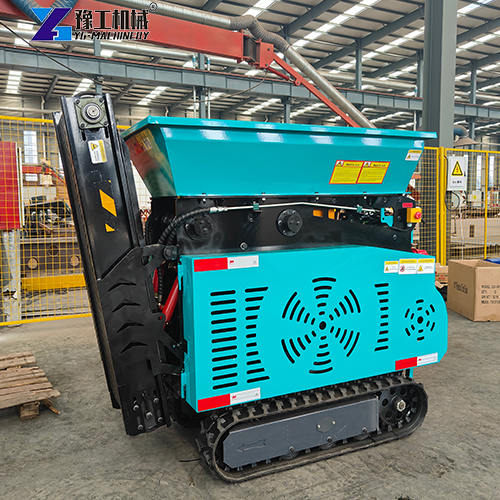
A portable stone crusher is a compact crawler mobile crushing unit. It crushes stones, concrete blocks, and construction waste into small particles directly on site. This small mobile stone crusher integrates a 200 × 370 mm jaw crushing cavity, feeding conveyor, hydraulic system, and crawler chassis. Its total width with guard is only 740 mm, ideal for narrow sites, small quarries, and on-site recycling crushing jobs.
Compared with large stationary crushing lines, this machine moves freely on the job site with steel wire rubber tracks. Its maximum feed size is 200 mm, with a capacity of 3–10 T/D. It is a cost-effective choice for users who need flexible primary crushing without investing in large mobile crushing stations.
Portable Stone Crusher Technical Parameters
| Category | Item | Specification |
| Power System | Gasoline engine | R500-V2, 12.5 kW / 3600 r/min |
| Diesel engine | KH1100, 10.5 kW / 3600 r/min | |
| Hydraulic pump | CBN-F510 | |
| Feed Specification | Feed opening (mm) | 200 × 370 |
| Max. feed size (mm) | 200 | |
| Capacity (T/D) | 3 – 10 | |
| Track Undercarriage | Chassis size (mm) | 1220 × 770 |
| Track type (mm) | 180 × 72 × 37 (steel-wire rubber track) | |
| Travel speed (km/h) | 0 – 3 | |
| Feeding & Discharge | Hopper capacity (m³) | 0.5 |
| Feeding conveyor (mm) | 1450 × 400 | |
| Stockpiling height (mm) | 900 – 1200 | |
| Jaw adjustment range (mm) | 25 | |
| Overall Dimensions | Working size (mm) | 2950 × 770 × 1630 |
| Transport size (mm) | 2100 × 770 × 1760 | |
| Inner width of jaw frame (mm) | 410 | |
| Total outer width with guard (mm) | 740 |
In-Stock Models Ready to Ship – See What’s Available
5 Advantages of Portable Stone Crusher
1. Compact structure for narrow spaces
This portable jaw rock crusher has an overall width of only 740 mm, including guards. It can access narrow passages, indoor renovation areas, basements, alleys, and other tight spots unreachable by traditional crushing machines. Its transport dimensions of 2,100 × 770 × 1,760 mm make loading, delivery and site transfer very easy.
2. Crawler travel for flexible on-site movement
The steel wire rubber track chassis delivers good ground contact on soft, uneven, and rough ground. With a travel speed of 0–3 km/h, operators can reposition this small mobile stone crusher freely on the job site without extra towing vehicles.
3. Optional gasoline and diesel power
You can choose a 12.5 kW gasoline engine or a 10.5 kW diesel engine. The diesel version works better for remote sites and long-hour continuous operation. The gasoline version fits light-duty, short-term tasks or jobs requiring easy maintenance.
4. On-site crushing with direct discharge
The 0.5 m³ hopper, feeding conveyor, and 900–1,200 mm stockpiling height let you unload crushed material directly into stockpiles, wheelbarrows, or collection containers. It cuts secondary handling and keeps the work area tidy.
5. Adjustable output particle size
The 25 mm jaw gap adjustment range allows operators to change the discharge opening to match project requirements. This function is highly practical for backfilling, bedding layers, and further material processing.
Typical Applications of Portable Stone Crusher
This portable jaw rock crusher fits small crushing and recycling projects requiring high mobility, low output, and access to narrow spaces.
- Construction waste & demolition debris recycling: Crush concrete blocks, bricks, tiles, and demolition waste into recycled aggregate for backfilling and bedding layers.
- Small quarries & stone processing: Process limestone, river pebbles, and other rocks in small quarries and test crushing projects.
- Road repair & municipal works: Crush small batches of rock and recycled pavement material right next to the working face.
- Indoor & confined-space projects: The narrow 740 mm body enables access to basements, narrow corridors, and renovation sites.
- Mining sampling & test crushing: Produce small batches of crushed material for lab testing, sampling, and preliminary processing.
- Landscaping & site leveling: Make gravel for walkways, drainage layers, and general site backfilling.
Cost-Saving Tips for Using a Portable Jaw Crusher
The portable jaw crusher brings crushing work close to raw material sources to cut project costs. You no longer need to haul large amounts of rock and construction waste to fixed crushing plants; you crush material on site and reuse the output directly.
- Cut transportation costs: On-site crushing reduces truck trips for raw materials and finished aggregate.
- Lower waste disposal fees: Concrete, bricks, and demolition debris become reusable materials instead of landfill waste.
- Reduce secondary material handling: Integrated hopper, conveyor, and stacking discharge streamline material flow.
- Improve equipment utilization: One small mobile stone crusher can serve multiple short-term projects.
- Save infrastructure investment: The crawler design needs no permanent foundation or large site preparation.
- Better capacity matching: The 3–10 T/D output avoids high fuel, maintenance, and purchase costs of large crushing equipment.
For construction and demolition projects, on-site recycling turns concrete and brick waste into aggregate for road bases and backfilling, greatly lowering transport and landfill costs.
Pre-Start Inspection Checklist for Portable Stone Crusher
Safe operation starts before startup. Operators must inspect the machine, work area, and material supply every shift. Never remove safety guards or put hands into the crushing cavity while the machine is running. Industry safety rules require intact protective devices, controlled feeding, blocking oversized rock and metal debris, and full power shutdown before clearing blockages.
Before starting this portable jaw rock crusher, check all items below:
- Make sure no people, vehicles, or obstacles are inside the working zone.
- Check that the ground is solid and flat; avoid waterlogged or soft ground.
- Inspect all guards, covers, and safety parts; do not start the machine if any protection is missing.
- Check engine oil, fuel level, hydraulic system, and fluid leaks.
- Check tracks for damage, trapped debris, and abnormal wear.
- Clear leftover material from the hopper, feed conveyor, and discharge area.
- Ensure feed material is no larger than 200 mm.
- Remove steel bars, metal pieces, and other non-crushable items before feeding.
- Verify the emergency stop switch is properly positioned and fully functional.
- Wear safety glasses, hearing protection, a safety helmet, a reflective vest, and safety shoes.
- Start the machine following manufacturer instructions and feed material gradually; never overload the hopper.
If the crusher gets blocked, stop feeding first, shut down the machine, and cut off power. Clear jams only after all moving parts stop completely. Never reach into the crusher with bare hands while it is running.
Speak with Our Product Manager
FAQ about Portable Stone Crusher
Q: What materials can this portable stone crusher crush?
It breaks small rocks, gravel, concrete blocks, bricks, and demolition waste with a maximum feed size under 200 mm. Do not feed oversized stones, steel bars, metal parts, or other non-crushable materials.
Q: How much material can it process per day?
The rated capacity is 3–10 T/D. Actual output depends on rock hardness, feed size, moisture content, feeding stability, and discharge gap setting.
Q: Is it suitable for construction waste recycling?
Yes. It crushes concrete blocks and brick debris into small aggregate for backfilling, bedding layers, and further processing. Metal impurities must be removed before feeding.
Q: Can I adjust the output particle size?
Yes. The jaw plate adjustment range is 25 mm, so you can control the finished grain size to meet different usage needs.
Q: Can it be used indoors?
Yes — this is one of its biggest strengths. The total outer width with guard is only 740 mm, and steel wire rubber tracks will not damage finished floors. These two features make it ideal for indoor demolition and basement work.
Get a Quotation
If your job site is narrow, you need frequent machine transfer, or you want to turn construction waste into reusable aggregate on site, this portable jaw rock crusher is your ideal option. Its 200 mm max feed size, 25 mm jaw gap adjustment, and dual gasoline/diesel power options adapt to various materials and working conditions. For higher-output models, you can view our Mobile Stone Crusher.
Send us your material type, maximum feed size, and daily processing volume. Our technical team will recommend the right configuration and send you a detailed quotation.